The future of Texas Tech's marquee transfer quarterback hangs in the balance as the Brendan Sorsby gambling lawsuit heads to a critical juncture. On June 1, 2026, legal teams for Sorsby and the NCAA clashed in a Lubbock, Texas courtroom over a permanent ban stemming from a massive Texas Tech quarterback betting scandal. With his playing days threatened, Sorsby's fight for an injunction will test the limits of collegiate amateurism, mental health accommodations, and the strict enforcement of NCAA sports betting rules.
Inside the $90,000 College Football Betting Scandal
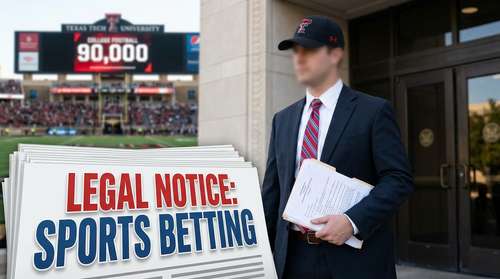
Court filings leading up to Monday's hearing painted a detailed picture of Sorsby's wagering history, revealing a staggering volume of bets. Between his time as a freshman at Indiana in 2022 and his recent transfer to Texas Tech, Sorsby placed thousands of wagers totaling at least $90,000. The sheer scope of this college football betting scandal goes far beyond casual sports fandom.
According to stipulated facts agreed upon by both legal teams, Sorsby made at least 2,900 bets worth more than $30,000 between June 2022 and December 2023 alone. Most damaging to his case are the minimum of 40 wagers he placed on Indiana football games while he was actively on the Hoosiers' roster. Though court documents confirm he did not bet on games in which he actually played, betting on your own program violates the most fundamental integrity guidelines in amateur sports.
The betting behavior continued even as he changed programs. Records indicate Sorsby funneled over $60,000 to a friend to place bets through a shared FanDuel account registered to his brother-in-law after transferring to Cincinnati. Following his arrival in Texas—a state where online sports betting remains illegal—he allegedly sent another $5,000 via payment apps like Venmo and Zelle to third parties to continue placing wagers on his behalf. The formal investigation materialized on March 11, when the NCAA received a tip from an online sportsbook that had been flagged by law enforcement regarding Sorsby's suspicious activity.
Mental Health vs. Institutional Integrity
The June 1 hearing before Senior Judge Ken Curry in the 99th District Court zeroed in on a fierce debate over the NCAA gambling addiction policy. High-profile attorney Jeffrey Kessler, representing Sorsby, argued that the 22-year-old suffers from an anxiety-driven compulsion and a clinically diagnosed gambling disorder. Sorsby, who did not attend the hearing, recently completed a month-long residential treatment program to address the addiction.
Kessler positioned the quarterback not as a bad actor attempting to fix games for financial gain, but as an addict placing $1 bets on individual baseball pitches and wagering on overseas events like Turkish basketball just to feed a compulsion. The legal team characterized the NCAA's permanent ban as inherently hypocritical. They argued the organization weaponizes a student-athlete's mental health struggles while simultaneously generating massive revenue from the broader sports gambling ecosystem.
NCAA lead attorney Taylor Askew pushed back hard during the two-hour proceedings. Askew questioned the clinical logic of forcing an athlete back into the high-pressure collegiate sports environment that initially triggered his compulsive betting behavior. Furthermore, the NCAA maintains that protecting the integrity of the game is non-negotiable. Allowing an athlete who actively bet on their own team to return to the field would set a dangerous precedent that undermines the foundation of college athletics.
The Looming Deadline: NFL Supplemental Draft 2026
Time is rapidly expiring for the Red Raiders star. Judge Curry did not issue an immediate ruling from the bench on Monday, leaving Brendan Sorsby eligibility 2026 completely up in the air. Understanding the shrinking timeline, Kessler has specifically requested a court decision by June 15.
This mid-June date carries massive professional implications. If the temporary injunction is denied and his college career is effectively ended by the NCAA ban, Sorsby must know his legal status before the June 22 deadline to formally enter the NFL supplemental draft 2026. To prepare for this contingency, the NFL has already provided his camp with a window from July 5 to July 12 to conduct pro-day workouts in the Dallas area for professional evaluators.
What's Next for Texas Tech Football?
Texas Tech heavily invested in Sorsby, bringing him to Lubbock on a reported multimillion-dollar NIL deal to lead their offense following a breakout 27-touchdown season at Cincinnati. The university now finds itself in a highly precarious position, awaiting a legal ruling that will either restore their star quarterback or force them to pivot entirely just months before the season opener.
If Sorsby secures the temporary injunction, his permanent ineligibility status would be paused, allowing him to take the field this fall as the broader lawsuit slowly navigates the court system. If the judge sides with the NCAA, Sorsby's collegiate chapter closes immediately. The outcome of this landmark case will undoubtedly reshape how amateur athletics handle the collision course between widespread legalized sports betting and the mental well-being of vulnerable college athletes.