With just 40 days remaining until the globe's biggest sporting event kicks off in North America, the scramble for FIFA 2026 tickets has transformed into a financial nightmare for everyday supporters. What was heavily marketed as a celebration of the beautiful game on home soil is now drawing fierce criticism. Fans and lawmakers alike are decrying a "monumental betrayal" as a newly implemented, algorithmic pricing model pushes last-minute access far beyond the reach of the average family.
The Dawn of the FIFA Dynamic Pricing Controversy
The core of the outrage centers on the FIFA dynamic pricing controversy. For the first time in tournament history, the governing body has utilized a demand-based pricing model for the World Cup last minute sales phase. The mechanism mirrors the surge pricing commonly seen with ride-share applications and concert tours—a system American consumers have grown to deeply resent.
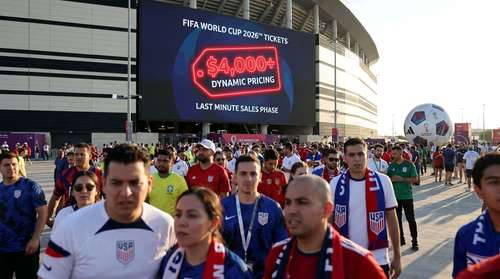
By applying this volatile structure to international football, organizers have crossed a line for many die-hard supporters. The algorithmic surges mean that as digital queue numbers increase, so do the costs. The most staggering result? USMNT opening match tickets at SoFi Stadium in Los Angeles have suddenly skyrocketed past the $4,000 mark for standard, lower-bowl seats.
"It is a monumental betrayal of the working-class fans who built this sport's foundation in America," noted the Independent Supporters Council in a scathing open letter published early Tuesday morning. "Pricing out the lifeblood of the game forty days before kickoff is an unacceptable exploitation of loyalty."
World Cup 2026 Ticket Prices: A Shock to the System
When initial sales windows opened last year, organizers boasted about affordable entry points and equitable distribution. Indeed, over five million seats were secured globally during the initial random-draw lottery phases. Those early adopters paid standard face value, insulated from the market fluctuations happening right now.
However, the current landscape for World Cup 2026 ticket prices is a stark departure from those early promises. As the June 11 tournament opener approaches, the remaining inventory is subject to wild, minute-by-minute price adjustments. Fans logging onto the official portal to buy World Cup tickets 2026 are greeted with digital waiting rooms and intense sticker shock.
A family of four hoping to catch a group stage match in New York, Los Angeles, or Miami is currently looking at a minimum outlay of $12,000 to $16,000 just to get through the turnstiles. That figure completely excludes the soaring costs of regional travel, hotel accommodations, and stadium concessions.
The USMNT Hype Collision
The financial barrier hits particularly hard for followers of the United States Men's National Team. The anticipation surrounding the USMNT is at a fever pitch, with a mature, golden generation of players preparing to make a deep run. The opening fixture in Los Angeles was meant to be a crowning moment for domestic soccer culture. Yet, the current $4,000 floor effectively shuts out the exact demographic that championed American soccer through its leanest years.
Host City Accessibility Under Fire
These skyrocketing costs have ignited a heated political debate concerning FIFA 2026 host city accessibility. Hosting the expanded 48-team tournament across the United States, Canada, and Mexico was originally pitched to local municipalities as an unparalleled opportunity to grow grassroots soccer and stimulate local economies. Instead, residents of the host cities are finding themselves boxed out of their own backyards.
In key mega-markets like Los Angeles and New Jersey, consumer protection advocates are actively raising red flags. State lawmakers have started demanding transparency regarding how these dynamic pricing algorithms are structured. They argue that the system unfairly targets desperate fans who simply had bad luck during the 2025 ticketing lotteries.
"You cannot leverage public funds and taxpayer dollars to host these massive games, provide municipal security, and then lock the public out through predatory pricing," a New York state senator argued during a press conference outside MetLife Stadium on Monday. Formal inquiries have already been submitted to federal consumer protection agencies requesting immediate reviews of the ticketing framework.
Navigating the Final Sales Phase
For those still attempting to secure a spot in the stands, the available options are rapidly narrowing. The official ticketing portal remains the absolute only authorized avenue to guarantee entry. Experts monitoring the digital queues advise fans to check the site during off-peak hours—such as late at night or early morning—when demand dips might trigger a temporary drop in the algorithm's pricing. However, the exact mechanics of the system remain fiercely guarded by tournament organizers.
Turning to the secondary market offers zero relief. The strict digital ticketing ecosystem means that attempting to bypass the primary portal is fraught with risk. Unofficial resale platforms are heavily restricted, and organizers have reiterated that tickets transferred outside the official blockchain-backed application will be canceled at the gates.
This perfect storm of unprecedented demand and algorithmic price surges leaves the average supporter stranded. As the final countdown ticks away toward June, the historic North American tournament risks being remembered not just for its expanded field and on-pitch drama, but for the formidable financial wall it erected between the beautiful game and its most passionate followers.