Just seven days before the opening match in Mexico City, a highly controversial policy change is generating fierce backlash across the global soccer community. The 2026 World Cup water bottle ban has caught millions of traveling ticket holders entirely off guard. By prohibiting fans from bringing refillable hydration containers into venues, the governing body has placed stadium concession operations squarely at odds with severe World Cup 2026 heat concerns.
The sudden decision arrived via emails sent directly to supporters on June 2, erasing previously established guidelines. Now, attendees traveling to matches across the United States, Canada, and Mexico must prepare for drastically altered game-day logistics. With forecasts predicting sweltering mid-summer temperatures, safety experts and fan advocacy groups are publicly demanding answers regarding the prioritization of venue revenue over human health.
Understanding the Sudden Shift in 2026 World Cup Stadium Rules
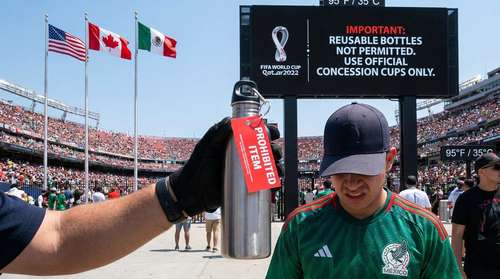
The abrupt nature of this policy U-turn is the primary source of frustration for international supporters. Until late May, the official FIFA stadium code of conduct 2026 explicitly promised a pragmatic approach to spectator hydration. The previous rule clearly stated that empty, transparent, reusable plastic bottles up to one liter in capacity would be permitted through security checkpoints.
That pragmatic clause was quietly scrubbed and replaced with uncompromising language just a week before kickoff. The newly published directive states: "For the avoidance of doubt, reusable water bottles may not be brought into the stadium". This sweeping FIFA World Cup water bottle rule effectively eliminates the use of free stadium water fountains for attendees, forcing them to purchase single-use plastics directly from designated venue vendors.
Severe World Cup 2026 Heat Concerns Across Host Cities
With the expanded 104-match tournament scheduled from June 11 to July 19, North America's unforgiving summer climate is taking center stage. Cities hosting crucial group stage matchups, including Dallas, Houston, Monterrey, and Kansas City, routinely experience game-day temperatures exceeding 35°C (95°F). Having FIFA reusable bottles banned during a forecast heatwave severely limits how spectators can actively protect themselves from heat-related illnesses.
Environmental data backs up these anxieties. A recent study published by the World Weather Attribution research group estimated that 26 of the tournament's matches are likely to be played in conditions where the Wet Bulb Global Temperature (WBGT) surpasses 26 degrees. The WBGT index measures the combined stress of temperature, humidity, wind, and sunlight on the human body, signaling a distinctly high risk for heat exhaustion in open-air venues.
At last year's FIFA Club World Cup, which was also hosted in the United States, attendees frequently complained of searing temperatures. Notably, the ban on personal water containers was not enforced during that preliminary tournament, making this new restriction for the much larger global event even more perplexing to sports scientists.
FIFA's Official Rationale and Venue Accommodations
Facing mounting public pressure, soccer's governing body released a statement defending the late-stage amendment. Officials claimed the change was strictly necessary to "prevent risk and injury to players and attendees" from objects being thrown onto the pitch. The organization also noted that several host venues already prohibit outside drink containers for domestic sporting events, prompting an effort to standardize security measures universally across the continent.
To address the glaring temperature issues, local organizing committees promise that alternative heat mitigation resources will be actively deployed. According to official statements, these venue features will include:
- Misting Stations: Dedicated cooling zones around the stadium perimeter to lower body temperatures before entry.
- Hydration Stations: Specifically designated areas for dispensing vendor-supplied water safely.
- Cooling Tents: Shaded, temperature-controlled environments designed for fans experiencing heat fatigue.
Furthermore, officials emphasized that the pricing for commercial bottled water will remain consistent with standard domestic events held at those specific arenas, though critics point out that stadium prices are notoriously inflated.
Supporter Backlash and the Corporate Profit Debate
Assurances regarding price consistency have done very little to quell the outrage. Leading supporter organizations point to the glaring double standard between the athletes on the pitch and the thousands paying premium prices in the stands. While players will receive mandated cooling breaks during the match, the fans watching them are left with a highly restrictive, pay-to-hydrate ecosystem.
The Free Lions, a prominent England supporters' group, captured the collective mood in a recent social media statement, asking: "What next? Sun cream banned and fans forced to buy it in stadiums?". They highlighted that free water availability had been a central topic in preliminary planning discussions, making the eleventh-hour reversal feel like a calculated cash grab.
Beyond physical safety, the financial burden placed on traveling supporters is significant. With the tournament already ranked among the most expensive sporting events in history due to surging ticket, lodging, and travel costs, forcing fans to purchase basic necessities feels punitive to many. Attendees often spend upward of four hours at a venue including entry, security checks, and post-match egress, requiring substantial fluid intake to remain healthy.
As the opening whistle approaches, the logistical reality of managing millions of spectators under these strict 2026 World Cup stadium rules remains a massive operational hurdle. Fans are left hoping the promised cooling tents and standardized vendor prices will be enough to prevent a genuine public health emergency in the stands.