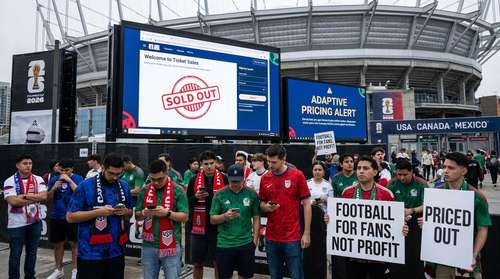
The 40-day countdown to the historic 48-team tournament is officially ticking, but the frantic scramble to secure FIFA World Cup 2026 tickets is leaving many supporters permanently sidelined. Following the launch of the final first-come, first-served ticketing phase, global fans are colliding with an unexpected hurdle: a controversial "adaptive pricing" model that has sent the cost of high-demand fixtures skyrocketing.
With the opening whistle scheduled for June 11 at Mexico City's Estadio Azteca featuring Mexico versus South Africa, this late spring sales window represents the final opportunity for fans hoping to lock down official access. Yet, rather than a straightforward sprint to the checkout cart, buyers are staring down unprecedented ticket inflation that threatens to make this summer's event the most expensive sporting spectacle in modern history.
The Final Push: Last-Minute World Cup Sales Begin
Late April marked the opening of FIFA's Last-Minute Sales Phase, dropping a fresh inventory of passes across all 104 matches. Unlike the initial lottery draws from late 2025, this phase operates strictly on a real-time, first-come, first-served basis. Supporters logging onto the official portal are battling digital queues to grab whatever inventory remains across the 16 North American host cities.
The urgency to buy World Cup 2026 tickets is at an all-time high. Host nations naturally draw massive local crowds, but the sheer volume of international requests has stripped baseline inventory to the bone. Those lucky enough to bypass the digital waiting room are immediately faced with the reality of a demand-driven pricing structure.
The FIFA Adaptive Pricing Controversy Explained
Soccer's governing body quietly integrated dynamic pricing mechanics for this tournament, and the resulting FIFA adaptive pricing controversy is dominating fan forums and social media. Much like the model utilized by major concert promoters, the system aggressively adjusts seat costs based on real-time market demand.
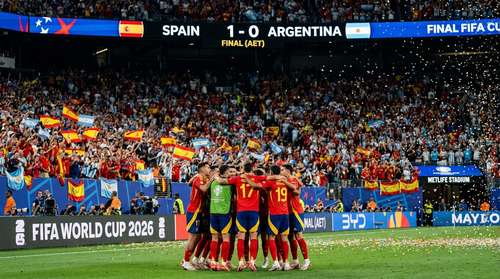
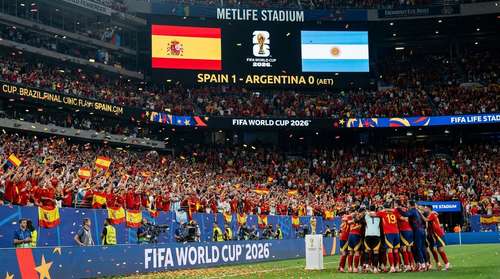
The July 19 Final at MetLife Stadium in New Jersey perfectly illustrates this extreme inflation. Premium Category 1 seats for the ultimate match originally opened at roughly $6,370 during last autumn's sales phase. Today, official direct-sale listings for those same lower-bowl sections have surged past $10,990. Even standard Category 3 seats have seen massive cost increases since the initial rollout, effectively pricing out the everyday supporter.
For context, a Category 1 ticket to the 2022 Final in Qatar averaged just over $1,600—making the 2026 iteration nearly seven times more expensive even before secondary market markups are factored in. Going back further, a premium ticket for the 1970 Final at Estadio Azteca, adjusted for inflation, cost roughly $1,300. The stark contrast highlights a broader shift toward treating live soccer as a high-end luxury experience.
USMNT 2026 World Cup Tickets and Host Nation Demand
The pricing squeeze is heavily impacting domestic fans. Securing USMNT 2026 World Cup tickets for the team's opening June 12 fixture in Los Angeles requires navigating some of the steepest adaptive hikes of the group stage. Fans eager to see the Americans compete on home soil are finding that local demand has driven standard admission costs well beyond original face value projections.
Secondary Market Madness and Official Resale
The surge in primary market costs has predictably triggered absolute chaos on the secondary market. Data from ticket aggregators currently places the average resale price for the New Jersey Final at a staggering $14,000 to $16,000. Startlingly, several listings on the official FIFA ticket resale exchange recently surfaced with asking prices exceeding $2 million. Though FIFA captures a percentage fee on transactions, it does not strictly suppress user-listed asking prices on its official marketplace.
Tournament organizers are issuing severe warnings against purchasing from unauthorized third-party brokers. Fans arriving at stadium gates with tickets procured outside the official ecosystem risk being denied entry entirely. If you must rely on the secondary market, utilizing the official resale platform remains the safest method to avoid fraudulent transfers.
Are 2026 World Cup Hospitality Packages the Better Bet?
An unexpected byproduct of the standard ticketing chaos is the sudden appeal of premium alternatives. With baseline seats for marquee matchups jumping into the multi-thousands, 2026 World Cup hospitality packages are drawing attention from fans who previously deemed them too extravagant.
These bundles, which guarantee official match access alongside premium food, beverage, and lounge perks, have maintained relatively static pricing compared to the fluctuating standard market. Hospitality providers are reporting record sales velocity as fans do the math. When a standard direct-sale ticket to a major clash costs nearly the same as a VIP entry that includes expedited stadium access and pre-match dining, the premium option suddenly feels pragmatic rather than purely luxurious.
As the final weeks tick down before the global stage lights up, the window to witness soccer history live is rapidly closing. Fans still hunting for seats must remain vigilant on official channels, ready to purchase the moment standard inventory drops, or risk watching the biggest tournament of their lifetimes from the living room couch.