Player injuries in the NFL are never just a personal misfortune; they ripple through teams, fans, and even the betting community like a stone dropped in a pond. Every time a key player faces injury, questions emerge not only about their personal recovery but also about the team’s future performance. It’s a scenario that stirs up debate among fans, analysts, and gamblers alike. The recent concerns over Aaron Rodgers' wrist fractures have put a magnifying glass on how critical injuries can be for a player’s performance and game outcomes.
In every NFL game, the mix of strategy, strength, and player health sets the stage for unpredictable outcomes. Injuries, particularly those as attention-grabbing as a wrist fracture in a star quarterback, leave teams scrambling to adapt and bettors reevaluating their predictions. The conversations around such injuries extend into ethical boundaries where a balance must be struck between a player’s desire to compete and a team's responsibility to ensure long-term player health.
Impact on Game Outcomes and Player Health
This section delves into how injuries affect game strategy and long-term player health. When star athletes suffer from football injuries, the dynamics on the field change rapidly. Fans and analysts often note that the loss of a single influential player can dramatically alter the NFL game outcomes.
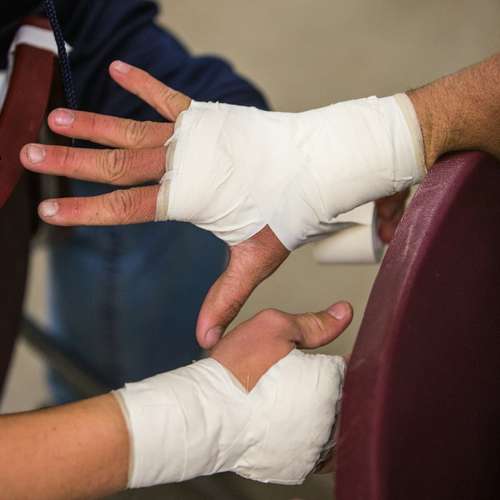
For instance, when a quarterback like Aaron Rodgers sustains a wrist fracture, the immediate concern is his ability to throw accurately. This can lead to erratic game strategy as coaches adjust plays on the fly. Teams have to rethink their offensive approach, perhaps relying more on running games or shorter, safer passes. The effect on player performance can be immediate, and even temporary injuries leave lasting scars on NFL player injuries statistics.
The impact is not solely limited to the injured player. Supporting cast members may be forced into roles outside their comfort zones, shifting the entire team performance. This creates a domino effect where every decision hinges on managing the risk of further injuries. Sports analytics reveal that teams with significant injuries typically see a drop in effectiveness, highlighting the critical nature of player health in maintaining competitive game strategy.
NFL Injury Reports and Ethical Considerations
When injury reports are released, they can spark debates on transparency and responsibility. This section explores how injury reports impact trust among fans and bettors. There’s an ongoing conversation about whether teams might minimize or exaggerate injuries for competitive advantage.
Many wonder if the NFL and its teams have an ethical obligation to provide clear, accurate injury updates to the public. These injury reports are central to NFL betting strategies, as bettors rely on accurate player health information to shape their gambling tips. In situations where information is sparse or misleading, betting odds can shift abruptly. The fine line between protecting player privacy and ensuring transparency is walked carefully by team management.
In some cases, teams have been criticized for being vague about the extent of injuries. This lack of clarity not only affects the betting market but also raises questions about player welfare. After all, it’s better to see a thorough injury analysis rather than uncertain whispers before the game. The debate isn’t new, but with high-profile injuries making headlines, it becomes impossible to ignore.
The ethical concerns extend to fans and commentators who criticize teams for pushing players to play when they’re not fully fit. It is often said that a game is more than just winning; it is about ensuring that players maintain long careers and avoid long-term issues. In the high-stakes environment of the NFL, striking the right balance between competition and adequate recovery remains a contentious issue.
Effects on Betting Markets and Strategies
This section focuses on the financial and strategic ripple effects injuries have on the betting community. When top players suffer injuries, the betting markets react almost instantly, altering betting predictions and NFL betting strategies. The world of sports betting is intricately connected to these updates, as insights into player health can upend even the best-laid plans.
Bettors often look for patterns and use historical injury statistics to adjust their gambling tips and betting odds. A significant injury is like a wild card—a variable that can either deflate high betting odds or completely change game strategy. When headlines flash news about a star player's injury, sports betting communities online buzz with real-time analyses and updated NFL injury updates. This unpredictability forces even seasoned gamblers to remain agile in their approach.
The response of the betting market also highlights the importance of accurate injury analysis. Incomplete or flawed injury reports can lead to misguided betting predictions, leaving many in the community questioning whether betting odds are justified. For example, if early reports on a quarterback’s wrist fracture downplay the severity, bettors might set their wagers based on inaccurate NFL game outcomes. This tug-of-war between team performance insights and betting market calculations creates a dynamic arena where both risk and reward are constantly in flux.
Sports analytics firms feed on data from injury statistics to craft predictive models that many punters and fantasy football enthusiasts rely on. The interplay between player health, sports betting, and team performance not only keeps fans on the edge of their seats but also ensures that every game is laden with suspense and fresh variables. Even gambling tips shared in online forums now include deep dives into player performance trends following injuries.
Balancing Competition and Wellness
This final section looks into how teams, bettors, and analysts strive to achieve balance in the high-pressure environment of professional football. There is an inherent tension between the drive to compete at all costs and the necessity to protect player health.
In many instances, teams are forced to decide between putting an injured star back on the field or waiting for full recovery. This decision isn’t just about short-term gain; it plays into long-term team performance and, sometimes, the legacy of a player’s career. While fans cheer for a quick return, medical and strategic experts insist that a cautious approach often minimizes additional risks. The integrity of NFL game outcomes can hinge on these critical decisions.
The post-game analysis often revisits these decisions, looking at both the immediate impact on team performance and the broader implications for NFL player injuries. The pressure from sports betting communities further complicates the decision-making process, with betting odds reflecting the public’s anticipation of game twists. It’s like watching a suspense thriller where every play can redefine betting predictions and NFL betting strategies.
The conversation continues to evolve as more data becomes available. In situations where the pressure to perform collides with the need to heal, transparency in injury reports remains more important than ever. We’re left with a reminder that behind every headline of football injuries lies a complex web of strategic decisions and ethical considerations that touch every corner of the NFL world.
Ultimately, the impact of player injuries on NFL games and betting is profound. It’s a story of risks, calculations, and the very human element of vulnerability in the high-octane world of professional football. As we continue to witness the challenges in balancing competition with player wellness, one thing remains clear: honesty in injury analysis and reporting is essential for the integrity of the game as much as for the faith of its fans and bettors.