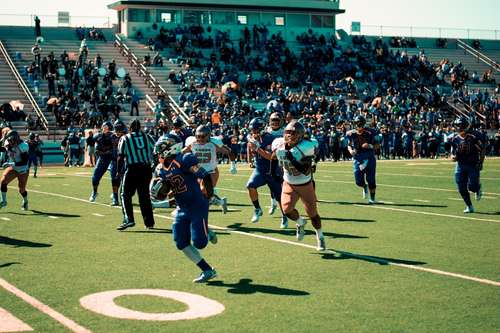
In a significant strategic pivot that is sending shockwaves through the NFL landscape, the Jacksonville Jaguars have revealed a major change in their development plan for generational star Travis Hunter. Following a season-ending torn LCL that cut his rookie campaign short, team officials have confirmed that the 2025 second-overall pick will primarily focus on the cornerback position upon his return in 2026. While the initial vision for Hunter involved a heavy offensive workload, head coach Liam Coen and General Manager James Gladstone are recalibrating their approach to prioritize defensive roster necessity and the long-term durability of their franchise cornerstone.
From Offensive Weapon to Lockdown Cornerback
The decision marks a stark departure from Hunter’s rookie usage. Before his injury in late October 2025, Hunter logged 324 snaps at wide receiver compared to just 162 on defense—a nearly 2:1 ratio favoring offense. However, reports from NFL insiders indicate that the Jaguars roster strategy for 2026 will flip this script entirely. The plan is for Hunter to serve as a full-time starter at cornerback while seeing a reduced, specialized role on offense.
“We drafted Travis because he is a unicorn, a player who can dictate the game on both sides,” a team source told reporters. “But as we look at the composition of our roster for 2026, his value as an elite shutdown corner is where we have the most urgent need. We want him on the field for 60 snaps a game shutting down the opponent's best weapon, rather than managing his reps on offense.”
The LCL Injury and Recovery Timeline
The catalyst for this strategic shift was the non-contact knee injury Hunter suffered during practice on October 30. Diagnosed as a torn LCL (Lateral Collateral Ligament), the injury required surgery that sidelined him for the remainder of the Jaguars' playoff push. The latest Travis Hunter injury update is promising, with medical staff projecting a full return to football activities by May 2026, just in time for OTAs.
While the LCL tear was isolated with no additional structural damage, the rehabilitation process has forced the organization to have difficult conversations about the sustainability of a true two-way workload in the NFL. NFL injury recovery data suggests that the physical toll of playing 100+ snaps per game significantly increases injury risk. By anchoring him on defense, the Jaguars aim to preserve his legs while still utilizing his explosive playmaking ability in high-leverage offensive packages.
Defensive Necessity Driving the Shift
Beyond health concerns, the move is driven by cold, hard roster math. General Manager James Gladstone hinted at this eventuality earlier in the offseason, noting the team's contract situations. With key cornerbacks like Montaric Brown and Greg Newsome II facing free agency, the Jaguars have a gaping hole in their secondary that Hunter is uniquely qualified to fill.
Conversely, the Jaguars' wide receiver room flourished in Hunter’s absence. The emergence of Parker Washington, who led the team in receptions, alongside the reliable Jakobi Meyers and the continued development of Brian Thomas Jr., has given Trevor Lawrence a formidable arsenal. This depth allows Jacksonville the luxury of moving their most talented athlete to the defensive side of the ball without crippling their passing attack.
Analyzing the Travis Hunter Stats: Why Defense Makes Sense
A deep dive into Travis Hunter stats from his shortened rookie season supports the front office's decision. While his offensive highlights were electric—including a 101-yard breakout game—his defensive metrics were quietly elite. In his limited snaps at corner, Hunter allowed a completion rate of just 50% and a passer rating of 68.3 when targeted.
Comparatively, while he averaged 10.6 yards per catch on offense, his defensive efficiency was top-tier. Scouts have long argued that Hunter’s ceiling is highest as a cornerback, where his ball skills and instincts allow him to erase one side of the field. By unlocking him as a full-time defender, the Jaguars could effectively gain an All-Pro caliber player in the secondary while still having a dangerous weapon for red-zone and third-down packages on offense.
What This Means for Jacksonville in 2026
For Jaguars fans, this news should be seen not as a limitation of Hunter’s talent, but as a maturation of the franchise's vision. NFL two-way players are virtually non-existent for a reason, and maximizing Hunter’s impact requires a focused approach. A healthy, dominant Travis Hunter locking down WR1s creates a ripple effect that elevates the entire defense.
As the team prepares for the 2026 season, the narrative shifts from "how much can he play?" to "how effectively can he dominate?" With a clear role defined, Hunter is poised to return from injury not just as a novelty act, but as the foundational defensive pillar the Jaguars need to chase a Super Bowl title.