
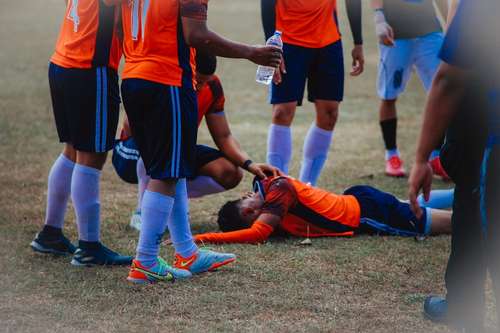
In recent weeks, the spotlight has turned to the Rangers players as Danny Rohl issued a stark warning regarding the team’s future. Things are heating up, and if you’re a fan of football, you know that this is not just another sports update—it's a wake-up call. The warning comes at a time when the Rangers are grappling with multiple challenges, including critical injuries that have sidelined key figures like defender Ben Davies. This isn’t just about game tactics; it’s about team discipline, player development, and the overall strategy that will steer the club forward.
It almost feels like the team is running out of time to prove their worth on the pitch. Rohl's words remind us that every match could be a turning point. With each pass and tackle, the pressure mounts not only on the players but also on the management to steer the club in the right direction. This situation is both a call to action and a reminder that training and player conduct are more important than ever before.
The Stark Reality for Rangers Players
Let’s break it down: the warning issued by Rohl is a clear signal that the current performance isn’t cutting it. Fans and pundits alike have noticed that team dynamics seem off-kilter, perhaps as a result of persistent injuries and missed opportunities that have piled up over time.
This part of the story is not about blame but about facing the hard truths of professional sports. The players need to acknowledge that when it comes to high-stakes matches, there is no room for error. The squad’s internal challenges—ranging from tactical missteps to the looming physical toll of injuries—demand an immediate recalibration of team performance. It’s like trying to row a boat with holes; eventually, the combined strain will cause the boat to sink if not patched up in time.
Rohl’s warning carries the weight of experience in team management and sports news. It’s a reminder that when key members, such as defenders like Ben Davies, are sidelined, the entire team must step up. Each player in the locker room now faces the dual pressure of performing on the field and thriving in a challenging environment marked by rapid change.
Injury Impact and Team Dynamics
This section focuses on one of the biggest hurdles: injury. Injuries have always been a part of football, but when they affect a crucial part of the team, the reality hits hard. Rohl’s warning comes deep in the context of these pressing concerns. It’s clear that injuries like the one sidelining Ben Davies are more than just physical setbacks; they are disruptive forces that threaten team cohesion and overall performance.
When you consider a player like Ben Davies, whose defensive prowess has been integral to the team, you realize that his absence creates a void not easily filled by substitutes. The ripple effects of such an injury are felt both on and off the pitch. Team management has to rethink and adapt quickly, which, in sports management, means reworking coaching strategy and strengthening other areas of play.
The challenge here goes beyond tactics—it touches on the mental side of competition as well. Players need to adapt and demonstrate resilience. What’s impressive is that such hardships often bring out the best in individuals and teams. Think of it like a relay race; when one runner stumbles, the others have to quicken their pace to ensure the team still wins.
Team Discipline and Player Conduct Under Pressure
Rohl’s warning isn’t solely a criticism of the team’s current play; it’s a call for better player conduct and stronger team discipline. Football is a fast-paced game where one minor lapse can shift the momentum of an entire match. Maintaining discipline on the pitch is crucial, and right now, every player’s behavior is under scrutiny.
It’s not uncommon for teams facing difficult periods to experience lapses in discipline, whether it’s through unnecessary fouls or less-than-optimal decision-making. For Rangers players, Rohl’s message is clear: you need to tighten up and show that you’re committed to both individual and collective excellence. In a game where split-second decisions can change the outcome, personal accountability and focus become non-negotiable.
Observing past matches, it becomes evident that when teams refocus and adopt a more disciplined approach, their performance can improve dramatically. In many ways, Rohl’s words are a reminder of the foundation of any successful team—not just raw talent, but also the discipline to harness that talent in moments of pressure.
Adapting Under Adverse Conditions
Ever wondered how teams transform adversity into an opportunity for growth? The Rangers find themselves in such a position. Rohl’s warning comes at a time when the challenges are formidable, but it also opens the door for significant improvements in player development and overall team strategy. It’s a classic case of turning lemons into lemonade, albeit under intense public and media scrutiny.
Some might think this is just another piece of sports news, but the underlying message is about strategy and resilience. When viewed through the lens of team management, this moment is a call to recraft the coaching strategy to emphasize not just physical prowess but a sharper mental edge. This can escalate the process of player development, ensuring that each member understands the importance of every minute on the pitch.
The current circumstances remind fans and analysts alike that the future of Rangers players doesn’t simply lie in natural talent but in how they handle challenges. Rohl’s words act as both a warning and a rallying cry—emphasizing that adapting under adverse conditions is the essence of longevity in football.
Looking Ahead: What Does the Future Hold?
The final stretch of our discussion centers on the future prospects of the team given this scenario. A warning from someone with Rohl’s experience isn’t ignorable, and it has immediate implications for team performance. Fans might ask, what steps will be taken next, and how will the players respond?
There is a sense of urgency now. With the season in full swing, each game is a potential turning point. Rangers’ management is expected to closely monitor team discipline and make tough decisions to ensure that player conduct on the pitch mirrors the high standards needed for competitive play. The future might involve reshuffling the squad or even rethinking training routines to instill a more disciplined and resilient mentality among the players.
It’s a high-stakes game, both literally and figuratively. Every coach, every player, and every fan must recognize that the time to act is now. In sports, as in life, challenges can pave the way to greatness if met with determination and a willingness to evolve. Rohl's warning could very well be the catalyst that sparks a stronger, more unified Rangers team ready to face its adversaries head-on.
Rohl’s admonition is not just a criticism—it’s a sober reminder that the celebrated art of football rests on team discipline and excellent player conduct. Whether you cheer on the Rangers out of loyalty or a love for the beautiful game, you know that overcoming adversity is part of the narrative of sports. As the Rangers navigate through turbulent times, the entire club, from management to the individual athletes, will need to exhibit the courage, strategy, and teamwork necessary for a successful turnaround.
In summary, the warning from Rohl serves as both a wake-up call and a beacon of potential growth. With injuries hampering key players like Ben Davies and the team’s conduct under close scrutiny, every minute on the pitch counts. The message is unmistakable—a call for heightened discipline, better teamwork, and an unwavering commitment to improvement. The coming matches will truly test the Rangers' mettle, and it remains to be seen whether this cautionary note will ignite the spark needed for a revitalized season on the pitch!