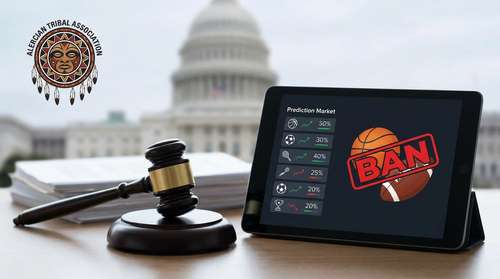
A staggering surge in unregulated event contract trading has triggered a massive pushback from the traditional gambling industry, setting the stage for a high-stakes legislative showdown. Prompted by what they describe as the largest unauthorized expansion of gambling in American history, a powerhouse coalition of more than 50 organizations is aggressively lobbying for a US sports prediction markets ban. The group, led by the American Gaming Association (AGA), tribal governments, and labor unions, officially petitioned lawmakers earlier this week to intervene before platforms operating outside state oversight completely upend the national wagering landscape.
In a formal letter delivered on June 16, 2026, the coalition took direct aim at platforms like Kalshi and Polymarket. Their core demand is to insert explicit language into the upcoming digital asset market structure bill—a maneuver heavily dependent on the American Gaming Association CLARITY Act lobbying efforts. If successful, the amendment would permanently close the regulatory gap allowing tech platforms to offer sports-related event contracts nationwide without traditional licensing.
The Regulatory Loophole Fueling a Financial Boom
To understand the friction between legacy operators and tech startups, you have to look at how these trading platforms classify their offerings. Traditional sports betting is heavily regulated at the state level. However, modern prediction platforms have successfully positioned their products as financial derivatives. This strategy places Polymarket sports betting CFTC oversight claims in direct conflict with local authorities.
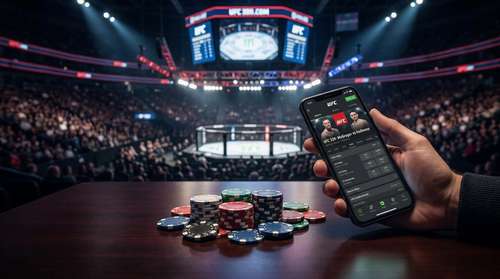
By registering under the federal framework of the Commodity Futures Trading Commission (CFTC), platforms effectively shield themselves against state-level enforcement. The result has been an explosion of nationwide availability for Kalshi sports event contracts. Trading volumes have reached unprecedented levels; in May 2026 alone, Kalshi reported an astonishing $16.8 billion in turnover, while Polymarket generated just over $7 billion. These platforms allow users to buy and sell shares based on the binary outcomes of specific real-world events, including major sporting matches and casino-style propositions.
The Toll on State Tax Revenues
For the coalition backing the ban, these soaring revenues represent a direct threat to local economies. State-licensed operators pay heavy taxes that fund public services and infrastructure. According to recent estimates calculated by the AGA, the shift toward lightly taxed or unregulated prediction markets has cost state governments approximately $1 billion in lost tax revenue since the beginning of 2025. The coalition argues this rapid expansion bypassed voter approval and stripped communities of their rightful financial benefits.
Escalating Tensions: Legal Sportsbooks vs Prediction Markets
The core of the dispute highlights a massive double standard in how different entities handle consumer wagers. The battle of legal sportsbooks vs prediction markets comes down to consumer safety and compliance costs. Giants in the traditional betting sphere—such as FanDuel and DraftKings—must painstakingly secure individual licenses in every state where they operate. They are required to implement rigorous age verification systems, pay state-specific fees, and follow stringent responsible gaming protocols.
Conversely, the gaming coalition alleges that prediction markets bypass these expensive safeguards. The June 16 letter highlighted that event contract platforms frequently market their betting products as financial investments, potentially exposing younger demographics to significant financial risk without the safety nets required of commercial casinos. Labor unions like UNITE HERE, which represents hundreds of thousands of hospitality workers, argue that undercutting local regulatory systems eventually threatens industry jobs built around brick-and-mortar gaming frameworks.
This domestic friction mirrors a broader international crackdown. Just this month, jurisdictions including Spain, India, and Indonesia have joined a growing list of nations attempting to block or restrict access to prediction platforms. However, international regulators are discovering that decentralized operations and crypto-based funding make these platforms notoriously difficult to constrain. Stateside tribal groups fear that if federal lawmakers do not firmly assert state sovereignty now, the widespread integration of digital wallets with sports prediction tools will make local enforcement impossible.
Will Congress Rewrite the Crypto Bill?
The push for a ban places intense pressure on federal lawmakers currently negotiating the Digital Asset Market Clarity Act. The gaming sector is demanding that the legislation formally clarify that sports wagers fall strictly outside the CFTC's jurisdiction. The ongoing debate over US Senate prediction markets gambling policy forces legislators to decide whether event contracts are fundamentally financial instruments or thinly veiled sports bets.
Currently, CFTC Chairman Michael Selig has aggressively defended the agency's exclusive jurisdiction over these derivatives, even suing multiple states that attempted to block prediction markets from operating within their borders. But the gaming coalition insists the CFTC lacks both the specialized expertise and the institutional infrastructure to monitor wagering integrity, underage gambling access, or addiction safeguards.
The Outlook for Sports Betting Regulation 2026
As trading activity across decentralized and traditional prediction markets accelerates, the window for congressional action is narrowing. The coalition's unified front—bridging tribal authorities, commercial casinos, and labor unions—demonstrates exactly how seriously the legacy gaming industry takes this threat. The next few weeks of negotiations surrounding the CLARITY Act will likely define the contours of sports betting regulation 2026. Whether lawmakers side with the fast-moving tech platforms promoting financial innovation or the established gaming operators protecting local sovereignty, the outcome will permanently reshape how Americans wager on live events.