With just three days remaining until the United States Men's National Team kicks off its 2026 campaign, the unthinkable is happening. Thousands of USMNT World Cup tickets remain available on the primary market. The highly anticipated June 12 clash against Paraguay was universally expected to be an instant sellout. Instead, the looming opener has become the focal point of a massive FIFA ticket pricing backlash that threatens to overshadow the host nation's big moment.
The Shocking Reality of an Unsold Opening Match
When a host nation opens the biggest sporting event on earth, packed stadiums and deafening crowds are considered a guarantee. Yet, the reality of the USMNT opening match unsold ticket inventory tells a vastly different story. Fans logging onto the official ticketing portal this week are met with a vast sea of blue dots indicating available seats across nearly every tier of the stadium.
This sluggish demand is not an indicator of waning soccer interest in the United States. Domestic leagues are thriving, and national team viewership is hitting record metrics. Rather, it is a direct consequence of an unprecedented pricing strategy that has left everyday, working-class supporters completely priced out of the stadium experience.
FIFA World Cup 2026 Ticket Prices Reach Record Highs
The core issue driving this spontaneous, wallet-driven boycott is the staggering cost of admission. Current FIFA World Cup 2026 ticket prices have shattered all previous tournament records. Standard seating for the group stage fixture is officially listed at over $1,100 per ticket. For supporters desiring a premium midfield view, Category 1 seats are commanding an eye-watering $2,730.
To put this into perspective, a family of four aiming to secure basic seats would need to spend upwards of $4,400 just to get through the gates—excluding parking, travel, and stadium concessions. Supporters groups across the country have publicly condemned the structure. Many argue the tournament's governing body has fundamentally miscalculated the breaking point of the American consumer.
Secondary Market Chaos: World Cup Tickets Below Face Value
The steep initial costs have triggered a swift and brutal collapse on the secondary market. Speculators and brokers who purchased early ticket allotments with the intention of flipping them for a massive profit are now entering panic mode. As the clock aggressively ticks down to the June 12 kickoff, major resale platforms are suddenly flooded with World Cup tickets below face value.
Desperate sellers are currently listing USA vs Paraguay tickets for hundreds of dollars less than the official retail price. This dynamic creates a vicious cycle for tournament organizers: a rational fan will not purchase directly from the primary portal for $1,100 when a verified resale ticket in the exact same section is sitting untouched at $750. The resulting inventory stagnation highlights a severe miscalculation in market demand elasticity.
Can SoFi Stadium Match the Global Hype?
Los Angeles was specifically chosen to host this pivotal matchup because of its deep soccer roots and cutting-edge infrastructure. The SoFi Stadium World Cup 2026 debut is meant to showcase American stadium engineering at its absolute finest. The $5 billion venue is built explicitly for global spectacles of this magnitude.
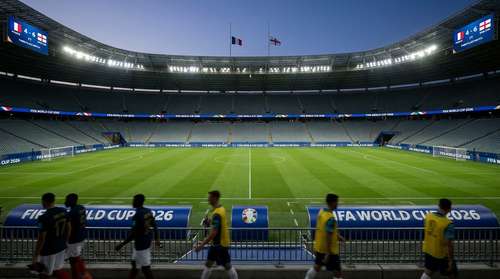
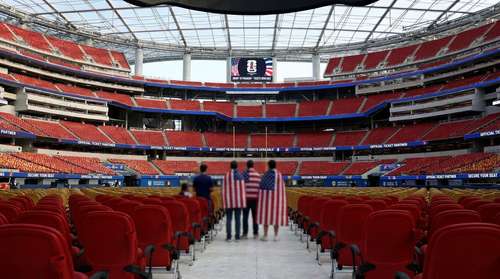
However, international broadcasters and tournament officials are now facing the very real threat of visible empty patches in the lower bowls during a global television broadcast. While production crews often utilize tight camera angles to mask unsold sections during lesser events, a colossal venue of this scale makes hiding thousands of empty, brightly colored seats nearly impossible.
Broader Implications for the 48-Team Tournament
If the primary host nation cannot organically sell out its opening fixture, alarm bells will inevitably ring for the less marquee matchups scheduled across the United States, Mexico, and Canada. The newly expanded 48-team format means there are more matches than ever before—104 in total. While traditional powerhouses like Argentina, Brazil, and England will always draw heavily, group stage fixtures featuring lower-ranked nations in massive 70,000-seat NFL stadiums could face even steeper attendance challenges if the current pricing tier remains stubbornly intact.
As Friday approaches, intense pressure is mounting on organizers. The glaring availability of tickets stands as a stark warning about the limits of sports commercialization, leaving fans waiting to see if officials will quietly release discounted inventory to avoid global embarrassment.