The digital queue is miles long, and the anxiety is palpable. As the final domestic pre-sale window for the 2026 FIFA World Cup tickets officially slams shut today, February 24, millions of soccer fans across North America are waking up to a harsh reality: the biggest sporting event in history is effectively full.
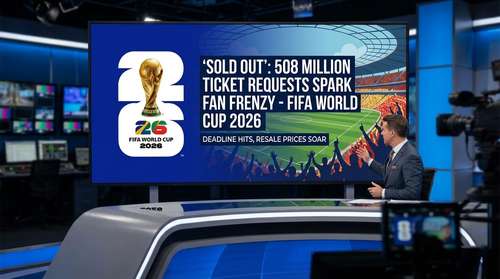
In a staggering announcement that has sent shockwaves through the global fanbase, FIFA President Gianni Infantino confirmed this week that the tournament has received a record-breaking 508 million ticket requests. With only approximately seven million seats available across the United States, Canada, and Mexico, the math is brutal. For every lucky fan securing a seat, over 70 are left empty-handed, turning the quest to buy World Cup 2026 tickets into one of the most competitive lotteries in sports history.
The 508 Million Figure: A Historic Demand
Speaking from Florida earlier this week, Infantino dropped the bombshell statistic that redefines the scale of the 2026 tournament. "The demand is there. Every match is sold out," Infantino told reporters, sparking confusion and panic among those still hoping to enter the FIFA official ticket portal before today's deadline.
While the "sold out" terminology is technically a projection of the guaranteed sales, the numbers back up the hype. The 508 million requests originated from over 200 countries, dwarfing the demand seen for Qatar 2022. The surge is largely driven by the expanded 48-team format and the accessibility of the North American host cities.
"We've never seen anything like that—incredible," Infantino remarked. He noted that while FIFA World Cup 2026 sell out headlines are dominating the news, the organization has strategically held back a small percentage of inventory for a final "Last-Minute" sales phase, offering a glimmer of hope to the millions currently shut out.
Ticket Prices Skyrocket on Secondary Markets
For fans unable to secure tickets through the primary FIFA ticket lottery results 2026, the secondary market paints a grim picture of inflation. 2026 World Cup ticket prices on resale platforms have already spiraled into the stratosphere.
Reports surfacing this week indicate that Category 3 seats for the opening match at Estadio Azteca in Mexico City—originally priced around $895—are now listing for upwards of $5,300. The situation is even more dire for the final in New Jersey. A single seat for the July 19 championship match, which carried a face value of roughly $3,450, has been spotted on resale exchanges for a jaw-dropping $143,750.
FIFA has warned fans against unauthorized platforms, but the sheer scarcity created by the 508 million requests is driving a desperate "black market" economy. Infantino addressed the pricing criticism by pointing to the unique market dynamics of the host nations. "I think it is because it's in America, Canada, and Mexico," he said. "Everybody wants to be part of something special."
Final Deadline & The 'Last-Minute' Hope
Today's February 24 deadline specifically marks the end of the domestic pre-sale window, including the exclusive allocation for Bank of America cardholders. For many US-based fans, this was seen as the best statistical chance to bypass the global lottery pool.
If you missed today's cut-off or weren't selected in the earlier draws, all hope is not lost—but it is hanging by a thread. FIFA has confirmed a "Last-Minute Sales Phase" slated to begin in early April 2026. Unlike the lottery system, this phase will operate on a strict first-come, first-served basis.
Strategy for the April Sales Window
To have any chance during the April window, experts recommend the following:
- Verify Your FIFA ID: Ensure your account on the FIFA official ticket portal is active and payment details are updated now.
- Monitor Host City Allocations: Tickets for marquee World Cup 2026 host cities like New York/New Jersey, Los Angeles, and Mexico City will vanish in seconds. Consider applying for matches in Kansas City, Seattle, or Monterrey for better odds.
- Be Ready for 'Dynamic' Availability: FIFA often releases small batches of tickets unannounced. Refreshing the portal during the first few hours of the April window is critical.
Economic Impact and Host City Readiness
Beyond the ticket frenzy, the 2026 World Cup is poised to deliver an unprecedented economic jolt. FIFA projects the tournament will generate over $11 billion in revenue, with a $30 billion economic impact estimated for the United States alone. The 16 host cities are currently finalizing infrastructure upgrades to handle the influx of 20 to 30 million expected tourists.
As the clock ticks down on today's deadline, the reality is clear: the 2026 World Cup is not just a tournament; it is a global phenomenon. For the 501 million fans who requested tickets but won't get them, the next few months will be a waiting game, hoping for one last miracle in April.