With just five weeks remaining until the June 11 kickoff, World Cup 2026 ticket prices have shattered all previous records, turning the beautiful game into a luxury spectacle. What was initially marketed as the most inclusive tournament in history has rapidly devolved into a financial nightmare for everyday supporters. Fans hoping to witness history at the championship match are now staring down the barrel of the most expensive World Cup tickets ever recorded, with some staggering resale listings demanding up to $2.3 million for a single seat. This unprecedented surge is largely fueled by the implementation of a new ticketing model, sparking a massive FIFA dynamic pricing controversy across the globe.
The $2.3 Million Price Tag for 2026 World Cup Final Tickets
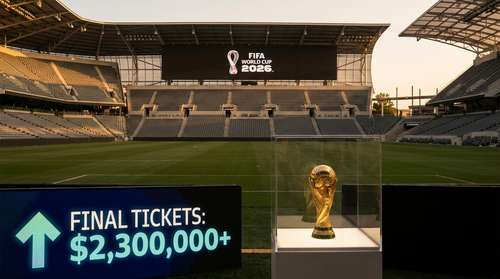
For die-hard supporters dreaming of attending the climactic showdown, the current market reality is shocking. On the official exchange marketplace, four Category 1 2026 World Cup final tickets were recently listed for an eye-watering $2,299,998 each. Purchasing this entire block for the July 19 finale would cost an astronomical $9.2 million.
While these multi-million-dollar listings represent extreme outliers, face-value admission is also drawing intense scrutiny. During a glitch-plagued sales phase in early April, the top official price for the ultimate match was raised to $10,990. This steep hike came after the 48-team field was finalized, leaving fans frustrated by technical failures, agonizingly long queues, and a broken user experience. Those simply seeking standard MetLife Stadium soccer tickets are quickly realizing that supply and demand have pushed costs firmly out of reach.
Exploring the FIFA Dynamic Pricing Controversy
The root of the current World Cup 2026 ticket outrage stems from an unprecedented decision to use a variable, or dynamic, pricing model. Much like airline flights or high-profile concert tours, admission costs fluctuate based on real-time demand. The higher the interest, the higher the fee.
Consumer watchdogs have been swift to condemn the practice. European consumer group Test-Aankoop warned that yield management systems are driving match-day entry to scandalous levels, rejecting the governing body's defense that the adjustments are manual rather than algorithmic. The results speak for themselves: traditionally affordable group-stage matchups have seen average increases of 10 to 25 percent, frequently exceeding $400. Football Supporters Europe has even lodged complaints with the European Commission, branding the pricing structure a "monumental betrayal" of the sport's global fanbase.
Travel Costs Compound the Financial Burden
The entry fee is just one piece of the puzzle. Because the tournament spans the United States, Mexico, and Canada, logistical expenses are piling up fast. Families traveling from abroad face exorbitant flight costs and bloated accommodation rates. When combined with the baseline admission, a modest trip to see a few group-stage games can easily top $15,000 before a fan even steps foot inside the venue.
A Closer Look at FIFA 2026 Ticket Resale Mechanisms
Secondary markets are exacerbating an already volatile situation. Under the current system, the official FIFA 2026 ticket resale platform allows original buyers to list their seats for staggering margins. Because the organizing body reportedly earns commissions on these secondary market transactions—taking up to a 30% cut—critics argue there is little incentive to cap the maximum resale limit.
Fans are openly questioning the integrity of the system on social media platforms. If a legitimate supporter manages to secure a standard group-stage seat, the temptation to flip it on the secondary market for thousands of dollars is immense. This environment essentially incentivizes scalping, transforming ordinary supporters into impromptu ticket brokers simply to afford their own travel expenses.
Empty Seats or a Luxury Spectacle?
As the summer tournament looms, industry experts are raising alarms about the potential long-term consequences of pricing out the game's heartbeat. Treating every matchup in an expanded 104-game schedule as if it carries final-level demand is a risky gamble. While the high-stakes knockout rounds will undoubtedly draw wealthy attendees and corporate sponsors, lower-profile early fixtures could feature noticeably empty sections.
The narrative surrounding the North American tournament was supposed to center on massive expansion and unprecedented accessibility. Instead, relentless ticket inflation has hijacked the conversation. Unless major adjustments are made to curb extreme secondary market listings, the beautiful game risks alienating the very people who made it a global phenomenon in the first place.