With just over three weeks until the expanded 48-team tournament kicks off at Mexico City's iconic Estadio Azteca on June 11, the reality of the 2026 World Cup ticket prices is setting in for desperate soccer fans across the globe. The sticker shock is palpable. Secondary markets are seeing record-breaking listings, and for the lucky few trying to secure a seat at the tournament's climax, the financial barriers to entry have never been higher.
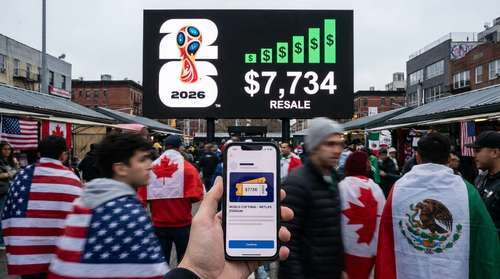
Right now, the absolute cheapest get-in seats for the July 19 World Cup final 2026 tickets at MetLife Stadium are listed at an astonishing $7,734. What was intended to be an accessible, continent-wide celebration of the world's most popular sport is rapidly morphing into an event exclusively reserved for the ultra-wealthy. With 104 matches scheduled across the United States, Canada, and Mexico, fans are realizing that securing a seat involves navigating a minefield of unprecedented costs.
USMNT vs Paraguay: The SoFi Stadium Flashpoint
While the astronomical cost of the final might be expected by veteran tournament attendees, the FIFA 2026 resale market has fundamentally distorted the group stages as well. The United States Men's National Team (USMNT) opens their highly anticipated campaign on June 12 against Paraguay at the 70,000-capacity SoFi Stadium in Los Angeles. Instead of widespread jubilation, the match has become a stark symbol of local fan frustration.
Currently, minimum prices on the secondary market for USMNT vs Paraguay tickets are eclipsing $1,000 just to walk through the gates. Even more alarming to supporters is the primary market structure. Originally, FIFA's official Category 1 tickets for this specific match were priced at a staggering $2,730, with Category 2 seats landing at $1,940. This Super Bowl-level pricing strategy has reportedly left thousands of seats unsold just weeks before the tournament begins.
The combination of high face values and rampant secondary market markups has priced out the very supporters who typically drive the intense, hostile home-field advantage the USMNT desperately needs to advance out of their group.
The Backlash Against FIFA's Ticket Model
Much of the current outrage stems directly from the FIFA variable pricing controversy. For this tournament, the governing body introduced a pricing model where human managers—rather than automated computer algorithms—adjust the face value of tickets based on real-time demand. While proponents of the system argue it softens the brutal spikes associated with standard dynamic pricing, the actual results suggest a system that still prioritizes maximum revenue extraction.
Fan advocacy groups have fiercely criticized the strategy. Football Supporters Europe recently argued that the system puts profit far ahead of accessibility, noting that FIFA had a unique opportunity to reduce overall costs for match-going fans. The backlash has even spilled over into local civic politics. In New York, mayoral candidate Zohran Mamdani launched the Game Over Greed petition.
Political Demands for Fairer Ticketing
Mamdani's public campaign explicitly outlines three major demands for the governing body: immediately end variable pricing on tournament tickets, reinstate a strict cap on secondary market resales, and set aside 15% of all stadium inventory for local residents at a discounted rate. For working-class fans staring down the barrel of a $7,000 ticket for the final, these demands represent a desperate plea for fairness in modern sports economics.
MetLife Final: A Playground for the Elite
The situation surrounding the MetLife Stadium World Cup final highlights the absolute peak of this pricing crisis. When the initial inventory dropped, the most expensive official seats were listed around $6,730. However, the secondary market has taken those premium figures and multiplied them exponentially. Brokers and early buyers are leveraging massive global demand, fully aware that wealthy international travelers and corporate hospitality entities will absorb the inflated costs.
FIFA representatives have pushed back against the widespread criticism, releasing statements defending their strategy and claiming that overall ticket sales remain exceptionally strong. Yet, the presence of sophisticated third-party brokers dominating the secondary platforms indicates a structural failure in how the biggest sporting event on the planet distributes its limited inventory to actual fans.
The Hidden Costs of Host City Logistics
The financial strain placed on supporters doesn't stop at the stadium turnstiles. The broader World Cup 2026 host city logistics are significantly exacerbating the ticketing crisis. Major metropolitan hubs like New York, Los Angeles, and Miami are already grappling with skyrocketing hotel rates and expensive internal flights.
Unlike previous tournaments hosted in smaller nations with highly centralized and affordable public transportation networks, navigating the vast distances between North American host cities requires significant capital. Fans attending the USMNT games in Los Angeles face long commutes and heavily inflated lodging costs.
When you combine a $1,000 secondary market ticket to see the USMNT with expensive domestic flights and $500-a-night hotel rooms, the total cost for a family of four to attend a single group-stage match easily pushes into the five-figure range. The window for everyday American supporters to witness soccer history on their home soil is rapidly closing, leaving behind a tournament that risks being remembered just as much for its exclusionary economics as for its action on the pitch.