In a stunning escalation of tensions surrounding the upcoming tournament, former FIFA President Sepp Blatter has officially thrown his weight behind a growing global movement to boycott the 2026 World Cup in the United States. The controversy reached a fever pitch on January 28, 2026, when the disgraced former soccer chief took to social media to endorse a stark warning for international fans: "Stay away from the USA." Blatter's intervention comes amidst a deepening crisis over U.S. immigration policies and travel bans that threaten to exclude fans from qualified nations like Senegal and Iran, casting a long shadow over what was meant to be a celebration of unity.
The "Stay Away" Ultimatum: Blatter Challenges U.S. Hosts
The catalyst for this diplomatic firestorm was a scathing interview given by Swiss anti-corruption expert and former FIFA reformer Mark Pieth, who bluntly advised supporters to avoid the tournament due to safety concerns and aggressive immigration enforcement. Blatter, never one to shy away from controversy regarding his successors, amplified this message to his millions of followers, stating, "I think Mark Pieth is right to question this World Cup."
For the U.S. organizing committee, Blatter's involvement transforms a simmering diplomatic issue into a full-blown PR disaster. While Blatter himself remains banned from football administration, his voice still carries significant weight in the global soccer politics arena, particularly among nations already skeptical of American foreign policy. His comments have effectively validated the fears of fans from the Global South who worry they will be unwelcome—or worse, detained—upon arrival in FIFA 2026 host cities.
Visa Bans and Entry Restrictions: The Core of the Crisis
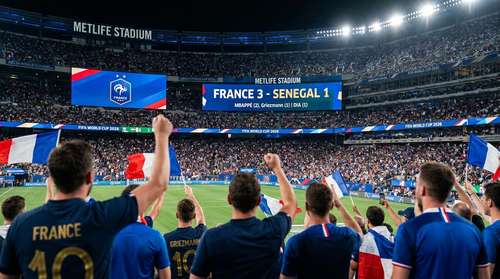
At the heart of the boycott movement is the implementation of strict new travel bans that disproportionately affect nations that have rightfully qualified for the tournament. As of late January 2026, fans from Senegal—the reigning African champions—and Iran face a near-total blackout on visitor visas. This bureaucratic wall has sparked outrage in Dakar and Tehran, with football federations accusing the U.S. of violating the fundamental FIFA statute that requires hosts to guarantee open access for all qualified teams and their supporters.
Reports indicate that while players and coaching staff may be granted special diplomatic exemptions, the "12th man"—the traveling supporters—are being left behind. The Senegal World Cup 2026 narrative, which should be focused on their dynamic squad, has instead shifted to the injustice of empty stands. "How can you call this a World Cup if the world is not allowed to enter?" asked a Senegalese federation official in a press statement earlier this week. The US World Cup travel ban is now being viewed not just as a security measure, but as an existential threat to the tournament's integrity.
Safety Concerns in Host Cities
Beyond visa politics, the boycott narrative is being fueled by tangible safety fears. Blatter and Pieth cited recent incidents in Minneapolis—a key region for the tournament's logistics—where aggressive immigration enforcement resulted in tragic confrontations. The death of protester Renee Good and the subsequent shooting of Alex Pretti by federal agents have been seized upon by critics as evidence that the U.S. is currently too volatile to host a global festival. European fan associations, usually focused on ticket prices, have begun debating whether the safety risks for international visitors are too high.
The Geopolitical Fallout for USMNT and FIFA
For the USMNT World Cup news 2026 cycle, this political noise is a major distraction. While the American squad prepares to compete on home soil, the Federation is forced to answer questions about border policy rather than formations. FIFA President Gianni Infantino now faces a nightmare scenario: a World Cup where entire blocks of seats reserved for visiting nations sit empty, or worse, are filled by protestors.
If the boycott gains further traction, it could lead to diplomatic withdrawals. While no team has yet refused to play, the pressure on federations from their own governments is mounting. The FIFA 2026 host city news cycle has shifted from celebrating economic booms to managing crisis communications, as mayors in cities like Los Angeles and New York scramble to assure international visitors that they will be safe and welcome, regardless of federal rhetoric.
Conclusion: A Tournament on the Brink
As we approach the summer kickoff, the 2026 World Cup is teetering on a precipice. Sepp Blatter's intervention may be opportunistic, but it has exposed genuine cracks in the tournament's foundation. With Sepp Blatter FIFA controversy dominating the headlines and fans from Senegal to Iran facing locked doors, the "United" bid is looking increasingly divided. The coming weeks will determine whether football can transcend these barriers, or if the 2026 World Cup will be remembered as the tournament where the world was told to stay away.