
Philadelphia Phillies All-Star first baseman Bryce Harper has publicly distanced himself from the ongoing Bryce Harper FanDuel video scandal. The controversy centers on a personalized Thanksgiving greeting delivered to a struggling VIP bettor, which has now triggered widespread backlash. The video was sent to Terry Thompson, a Pennsylvania man who lost $1.5 million on FanDuel and is currently suing the sportsbook for allegedly fueling his gambling addiction with predatory high-end perks. Following Harper's vehement public denial of any official partnership, the Pennsylvania Gaming Control Board investigation has officially commenced, casting a glaring spotlight on sportsbook marketing ethics and VIP customer retention strategies.
Inside the Bryce Harper Cameo Controversy
Harper broke his silence on Monday, just hours before competing in the MLB Home Run Derby. The 21-second greeting, which Harper recorded in November 2024, was purchased through the celebrity messaging app Cameo. In the clip, Harper addresses the bettor by name and references a VIP host, stating, 'your host Bryttanni at FanDuel wanted to make sure your Thanksgiving was extra special'. However, the Bryce Harper Cameo lawsuit implications arise from what happened next. The sportsbook allegedly added its commercial logo to the bottom of the video before sending it to the gambler as a VIP loyalty reward. Harper firmly stated he had no idea his likeness would be weaponized to target an addicted user. 'Had I known FanDuel's true intent, I would not have made the video,' the two-time MVP wrote on social media. He clarified that he merely read a script provided in the Cameo request and never consented to the branding or the sportsbook's underlying agenda.
The Terry Thompson FanDuel Lawsuit and VIP Tactics
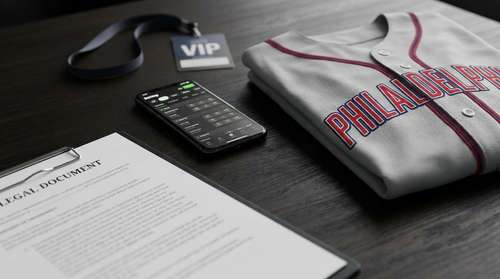
The Terry Thompson FanDuel lawsuit lays bare the potentially devastating consequences of modern digital sports betting. Filed in March 2026 by the Public Health Advocacy Institute in a Philadelphia Common Pleas Court, the landmark litigation names FanDuel, DraftKings, Genius Sports, and even the NFL as defendants. Court documents reveal that Thompson, a local business owner, began placing small wagers in 2020 before escalating to relentless live, in-game microbets. Over a four-year period, Thompson wagered a staggering $18.5 million, resulting in more than $1.8 million in combined losses across platforms and triggering a near-suicidal crisis. Rather than cutting him off when his financial ruin became evident, the platforms allegedly deployed sophisticated artificial intelligence and aggressive retention tactics to keep him heavily engaged. This sports betting VIP host controversy exposes how sportsbooks operate their most lucrative tiers. Vulnerable high rollers are assigned personal concierges who maintain direct contact via mobile phones. These dedicated hosts allegedly shower users with complimentary VIP perks, including Super Bowl trips, exclusive event tickets, and customized celebrity shoutouts to incentivize non-stop betting behavior. The lawsuit emphatically argues that these practices constitute a defective and unreasonably dangerous product engineered to maximize human addiction.
Pennsylvania Gaming Control Board Investigation Launched
The unauthorized use of a superstar athlete's likeness to retain a troubled gambler has caught the attention of state regulators. Doug Harbach, a spokesperson for the gaming authority, confirmed this week that a Pennsylvania Gaming Control Board investigation is actively reviewing the situation. Regulators are scrutinizing whether the personalized outreach violated state laws regarding responsible gaming and marketing ethics. If the probe finds that the operator intentionally ignored clear behavioral signals of FanDuel VIP customer addiction to extract more money, the company could face massive regulatory fines or tighter restrictions on how it operates its VIP programs. In response to the growing public relations nightmare, FanDuel released a statement defending its practices. The operator claimed its employees are thoroughly trained to flag problem gambling signs and that it remains 'committed to fostering a culture of responsible gaming'. However, critics argue that assigning a dedicated host to a user losing millions contradicts those stated safety protocols.
Navigating the Gray Area of Athlete Endorsements
The unauthorized rebranding of the video also touches on the volatile intersection between professional sports leagues and the betting entities that sponsor them. While Harper does not have an official partnership with the sportsbook in question, Major League Baseball has embraced gambling partnerships in recent years. This blurring of lines makes fans highly susceptible to perceived endorsements. When a bettor receives a personalized message from a two-time MVP bearing a corporate logo, it carries an immense psychological weight. Advocates for gambling reform are now using the Bryce Harper Cameo lawsuit entanglement as a prime example of why regulatory bodies must impose strict boundaries between players and betting operators. Fans, especially those experiencing a severe health crisis like gambling disorder, are easily manipulated by the illusion of a parasocial relationship with their favorite athletes.
The Future of Sportsbook Marketing Ethics
Legal experts suggest the fallout from this incident could drastically reshape the landscape of sports betting promotions. Pro athletes are increasingly protective of their name, image, and likeness. Harper's legal team has reportedly advised him to withhold further comments, but attorneys indicate he could have strong grounds to sue for false endorsement and misappropriation. As the sportsbook marketing ethics debate intensifies, third-party platforms like Cameo might be forced to implement stricter vetting processes to prevent corporate entities from disguising promotional campaigns as personal fan requests. For now, the sports world watches closely as state regulators and the civil courts determine whether the industry's aggressive VIP retention strategies have finally crossed a legal line.