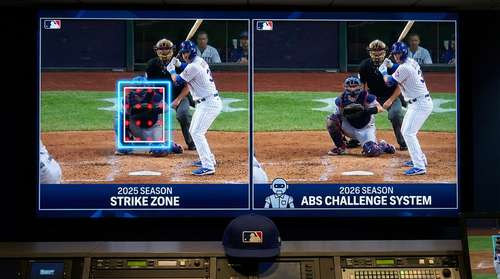
Major League Baseball has officially announced a massive shift for the 2026 season: the removal of the real-time ball-strike indication from the digital strike zone box on live television broadcasts. This significant change to MLB broadcast changes coincides with the full debut of the Automated Ball-Strike (ABS) challenge system, marking a pivotal moment in how the sport is officiated and consumed. The league’s decision aims to preserve the integrity of the new challenge system by preventing players and staff from using broadcast signals to initiate reviews, ensuring that the MLB ABS challenge system 2026 relies solely on on-field judgment.
Protecting the Integrity of the ABS Challenge System
The primary driver behind this decision is the implementation of the Automated Ball-Strike system—colloquially known as "robot umpires"—which is finally making its regular-season debut. While the technology tracks pitches with millimeter precision, MLB has opted for a challenge-based format rather than a fully automated zone. In this system, pitchers, catchers, and batters must challenge a call immediately, within seconds of the pitch crossing the plate.
League officials feared that the presence of a real-time, definitive "ball" or "strike" graphic on the TV feed could be exploited. If a dugout or clubhouse attendant saw the broadcast graphic contradict the umpire's call, they could signal the player to challenge. By stripping the broadcast overlay of its "decision-making" colors—previously, solid circles for strikes and hollow ones for balls—MLB ensures that challenges are organic and based on the player's own perception, not a television graphic.
How the 2026 MLB Rule Changes Affect Viewers
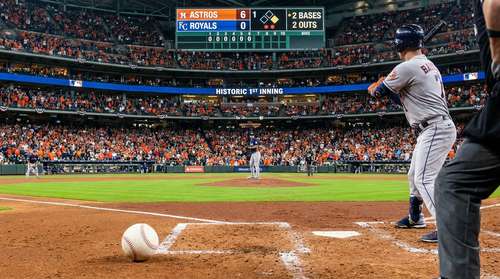
For fans watching at home, this marks the end of an era. Since the early 2000s, the digital box has become a staple of baseball broadcasts, allowing viewers to instantly judge the umpire’s accuracy. Its removal—or at least the removal of its judgment capability—restores a layer of suspense to the game. Viewers will now wait for the umpire's signal just like the fans in the stadium, rather than reacting to a red or green dot on the screen.
While the digital box may still appear to show pitch location, it will no longer function as an immediate answer key. This aligns the broadcast experience closer to the stadium experience, where the MLB strike zone box removal has been total on videoboards to prevent crowd influence and player tipping.
The Mechanics of the ABS Challenge
Under the new MLB rule changes 2026, each team will be allotted a specific number of challenges per game—likely two—which they retain if successful. The protocol is strict: a player must tap their helmet or cap immediately to signal a challenge. The review is then adjudicated by the Hawk-Eye tracking system, with the result displayed on the scoreboard within seconds. This rapid-fire process is designed to keep the game moving, addressing pace-of-play concerns that have dominated recent years.
A New Broadcast Landscape: Netflix and Beyond
The 2026 season isn't just bringing changes to the screen graphics; it's changing where fans watch the games. This year marks the start of the league's partnership with streaming giant Netflix. Netflix MLB live games will kick off with exclusive coverage of Opening Night, followed by the Home Run Derby and a special "Field of Dreams" game later in the summer.
This shift to streaming platforms complements the technological evolution on the field. As traditional cable broadcasts adapt to the new graphical guidelines, streaming partners like Netflix have the opportunity to present the game with new, data-rich visuals that focus on advanced metrics—exit velocity, spin rate, and lead distance—rather than simply second-guessing the home plate umpire.
The Future of Robot Umpires in 2026
The introduction of the MLB robot umpires 2026 challenge system is a compromise between tradition and technology. It preserves the human element of framing and umpire skill while providing a safety net for egregious missed calls. By removing the broadcast "cheat sheet," MLB is betting that fans will appreciate the drama of the challenge system more than the comfort of the digital overlay. As the season approaches, the question remains: will fans embrace the mystery, or will they miss the comfort of the glowing box?