The sports wagering landscape in the Tar Heel State is undergoing a massive transformation. On July 7, 2026, North Carolina Governor Josh Stein signs NC budget legislation worth $34 billion, introducing sweeping changes to how the state taxes and regulates its rapidly growing gaming industry. The headline development for operators and bettors alike is a significant increase to the North Carolina sports betting tax, fundamentally altering the financial dynamics for the industry's biggest players.
Major Shifts for the North Carolina Sports Betting Tax
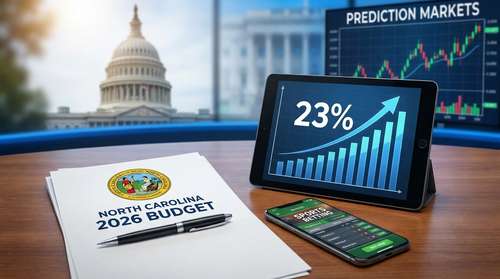
When mobile sports wagering originally launched in North Carolina on March 11, 2024, licensed operators were subject to a competitive 18% tax rate on gross gaming revenue. That early rate was designed to encourage quick market entry and robust promotional spending. However, under the newly signed legislation, the financial obligations for these companies are taking a steep climb. The new law officially hikes the tax rate on all online sportsbooks from 18% to 23%.
This aggressive policy adjustment reflects a broader legislative push to maximize state revenue from the gaming sector to help close budget gaps. While everyday bettors won't see an explicit tax placed on their individual wagers, the DraftKings FanDuel tax hike NC operators face will likely force industry giants to adjust their backend strategies. Market leaders such as FanDuel and DraftKings, which have dominated market share and heavily invested in user acquisition since the state's initial launch, will now have to navigate significantly tighter margins. Bettors might eventually notice this shift in the form of slightly reduced promotional offers, smaller deposit matches, or less frequent odds boosts as sportsbooks recalibrate their spending to absorb the 23% hit.
A Pioneer Move: Prediction Markets Tax North Carolina
Beyond the traditional sportsbook landscape, the state is taking an unprecedented step in recognizing and taxing a new frontier of online wagering. The sweeping budget legislation introduces a novel 6% tax on prediction markets. This bold maneuver makes North Carolina a pioneer in generating state revenue from financial exchanges where users purchase digital contracts on the outcomes of future, real-world events.
Regulating Kalshi and Polymarket
Platforms offering event contracts have historically operated in a regulatory gray area across many U.S. jurisdictions. However, the inclusion of a Kalshi Polymarket North Carolina regulatory framework clearly solidifies their operational status within the state. By officially applying a 6% tax rate, lawmakers have established a legitimate financial model for these emerging prediction markets.
Instead of betting on point spreads or moneylines, users on these platforms trade shares based on whether a specific event will happen, ranging from economic indicator releases and pop culture outcomes to global political developments. By looping these platforms into the broader gaming tax framework, the state will now secure a reliable share of the revenue. This creates a fascinating potential precedent for other states currently grappling with how to properly categorize, regulate, and tax these unique financial exchanges.
Supporting Athletics: UNC NC State Sports Betting Revenue
So, where exactly will the influx of cash from these increased operator levies go? One of the most talked-about and fiercely debated provisions in the NC budget sports betting 2026 framework addresses the soaring operational costs of collegiate athletics. A substantial portion of the new tax proceeds is earmarked directly for the athletic departments at the University of North Carolina (UNC) and North Carolina State University (NC State).
College athletic programs nationwide have faced unprecedented financial pressure in recent years due to massive shifts in the NCAA landscape. Changing compensation models, rising Name, Image, and Likeness (NIL) costs, continuous facility arms races, and soaring travel expenses have stretched university budgets to their limits. The UNC NC State sports betting revenue allocation is specifically designed to offset these mounting financial burdens. By injecting sports wagering tax dollars directly into these athletic departments, lawmakers hope to ensure that the state's flagship universities remain highly competitive on the national stage without draining crucial academic resources or passing the costs onto the student body.
Looking Ahead: The Future of NC Gaming
With Governor Josh Stein officially signing the $34 billion budget into law on July 7, 2026, North Carolina has cemented its long-term strategy to extract maximum value from the mobile betting boom. Moving from an 18% to a 23% rate places the state firmly in the upper-middle tier of national tax structures for sportsbooks, aligning it more closely with states that aggressively tax gaming revenues.
As operators adapt to the tighter margins and prediction markets begin preparing to remit their new 6% tax, industry analysts will be watching the Tar Heel State closely. The true impact of this legislation will unfold over the coming months, but one thing is immediately clear: North Carolina has proven that it isn't just content with hosting a legal sports betting market. The state fully intends to leverage every facet of the digital wagering ecosystem to fund its most pressing institutional needs.