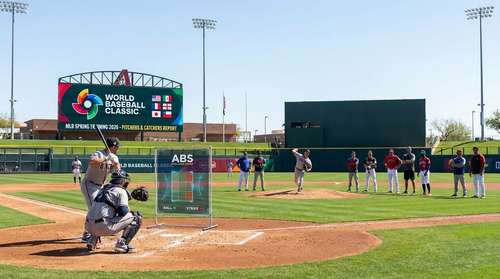
Baseball is back. Today, February 10, 2026, marks the official start of the Major League Baseball season as pitchers and catchers begin reporting to camps across Florida and Arizona. Just 102 days after the Los Angeles Dodgers secured their status as the first repeat World Series champions in a quarter-century, the focus shifts to a transformative spring. While the familiar sounds of popping mitts and cracking bats return, this preseason carries a distinctively futuristic tone with the full-scale arrival of the Automated Ball-Strike (ABS) system and the global excitement of the World Baseball Classic.
'Robot Umpires' Officially Join the Big Leagues
The headline story of 2026 is undoubtedly the debut of the ABS Challenge System in regular-season play. After years of testing in the minor leagues and a successful trial in 2025 Spring Training, MLB has officially implemented the technology for games that count. Unlike a fully automated zone that calls every pitch, this "challenge" version retains human umpires behind the plate while giving teams a safety net against missed calls.
Under the new rules, each team receives two challenges per game. Pitchers, catchers, and batters can initiate a review by simply tapping their cap or helmet immediately following a controversial pitch. The challenge is adjudicated in seconds using Hawk-Eye tracking technology, with the result displayed on stadium video boards. "It's going to change the strategy of the game completely," said Washington Nationals manager Blake Butera, who at 33 becomes the youngest skipper in 54 years. "You have to be judicious. Do you burn a challenge in the third inning on a borderline strike two, or save it for a high-leverage spot in the ninth?"
How the ABS Challenge System Works
The system uses a predefined strike zone based on the batter's height—53.5% for the top and 27% for the bottom. This standardized zone aims to eliminate the frustration of inconsistent strike calls that have plagued the sport for decades. While purists may grumble about the encroachment of technology, early feedback from players suggests a preference for this hybrid model over a fully silent, robotic zone.
World Baseball Classic Adds Intensity to Spring
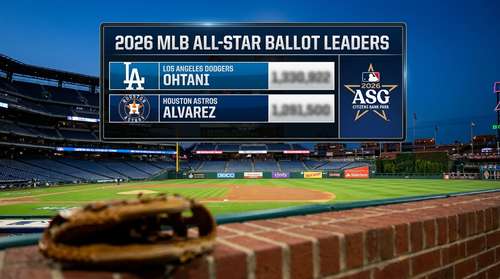
Spring Training 2026 isn't just about easing into the season; it's a launchpad for the World Baseball Classic (WBC). With the tournament set to begin in early March, camps are buzzing with a different kind of energy. Stars like Shohei Ohtani (Japan) and Bryce Harper (USA) are ramping up their preparations earlier than usual, aiming to be game-ready for international competition rather than just Opening Day.
This condensed timeline presents a unique headache for managers. Clubs must balance the pride of having players represent their countries with the anxiety of potential injuries. Exhibition games scheduled for March 3-4 will see MLB clubs facing off against WBC national teams, offering fans a rare preview of playoff-intensity baseball in meaningless spring contests. For contending teams, the departure of key aces and sluggers for up to three weeks disrupts the traditional bonding period of camp, placing a premium on depth players who will get extended looks in their absence.
New Faces in New Places: The 2026 Shuffle
As equipment trucks unload in Scottsdale and West Palm Beach, fans are getting their first look at superstars in unfamiliar uniforms following a chaotic offseason. The defending champion Dodgers didn't rest on their laurels, adding marquee free agent Kyle Tucker to an already terrifying lineup. Meanwhile, the Chicago Cubs made a splash by signing Alex Bregman to anchor their infield, and the Baltimore Orioles signaled their