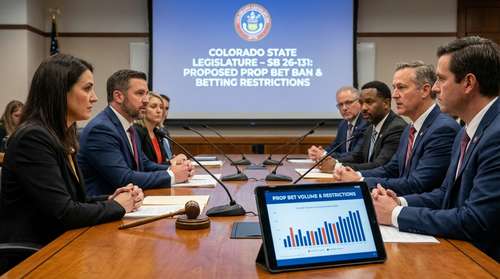
A bipartisan coalition of Colorado legislators has sent shockwaves through the gambling industry with the introduction of SB 26-131, a sweeping piece of legislation that proposes some of the strictest sports betting regulations in the United States. Introduced this week, the bill seeks to fundamentally reshape the state's $6 billion wagering market by implementing a near-total ban on proposition bets, prohibiting credit card deposits, and severely restricting sportsbook advertising.
The "Nuclear Option": A Total Ban on Prop Bets
The most contentious provision of the Colorado sports betting bill 2026 is the proposed elimination of proposition bets. Unlike recent restrictions in other states that targeted only college player props, SB 26-131 aims to ban all prop bets. The legislation defines these as wagers tied to individual athlete performances, officiating decisions, injuries, or any outcome other than the final score of the game.
If passed, this prop bet ban legislation would remove the most popular segment of the modern betting menu. Industry analysts suggest this move is a direct response to recent integrity scandals and concerns over player harassment. "The goal is to protect the integrity of sports and reduce the 'game-within-a-game' style of gambling that is most associated with addiction," said Democratic Senator Matt Ball, one of the bill's prime sponsors.
Strict Deposit Limits and Credit Card Bans
Beyond the betting menu, SB 26-131 introduces rigorous financial guardrails designed to curb impulsive behavior. The bill creates a hard cap on funding frequency, limiting customers to a maximum of five deposits within any 24-hour period. This measure targets the "chasing losses" phenomenon, where bettors make rapid, repeated deposits in an attempt to win back lost money.
Additionally, the legislation includes credit card gambling restrictions that would prohibit operators from accepting credit card payments entirely. Bettors would be required to use debit cards, bank transfers, or other methods that draw from available funds rather than credit. This move aligns with similar bans in jurisdictions like the UK and Massachusetts, aiming to prevent consumers from accumulating gambling-related debt.
Sweeping Sportsbook Advertising Regulations
The bill also takes aim at the saturation of gambling commercials. Under the proposed sportsbook advertising regulations, betting ads would be banned from television broadcasts between the hours of 8 a.m. and 10 p.m. Furthermore, the legislation prohibits advertising during any live sporting event broadcast, regardless of the time.
Marketing Language and Push Notifications
The restrictions extend to the content of the ads themselves. Terms like "bonus," "no sweat," and "free bet" would be outlawed, and operators would be forbidden from sending push notifications or text messages soliciting bets. "We are putting an end to the constant bombardment of notifications that pull people back into the app," added Senator Pelton, a Republican co-sponsor of the bill.
Pro-Bettor Provisions: The Anti-Limiting Clause
In a surprising twist that may appeal to sharp bettors, SB 26-131 includes a provision that prevents sportsbooks from limiting successful players. The bill states that operators cannot restrict a customer's bet size or frequency solely because they are winning. Limits would only be creating for "suspicious betting activity" or signs of a gambling disorder. This could make Colorado the first state to statutorily protect winning bettors from being limited, a major point of contention in the legal sports betting news cycle.
Industry Context and What's Next
The introduction of SB 26-131 Colorado comes as the state reports record betting handle, with over $6 billion wagered in 2025 alone. While the bill has bipartisan support from Senators Ball and Pelton and Representatives Woodrow and Woog, it faces stiff opposition from industry lobbyists who argue the strict rules could drive bettors to the unregulated offshore market.
The bill has been assigned to the Senate Finance Committee for its first hearing. If enacted, it would position Colorado as the most strictly regulated sports betting market in North America, potentially setting a precedent for other states grappling with the balance between revenue and responsibility.