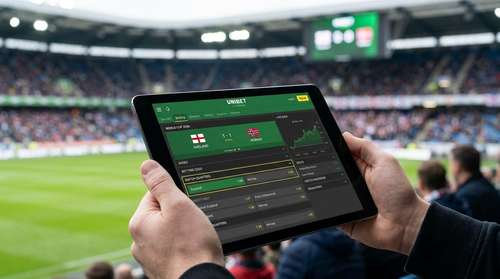
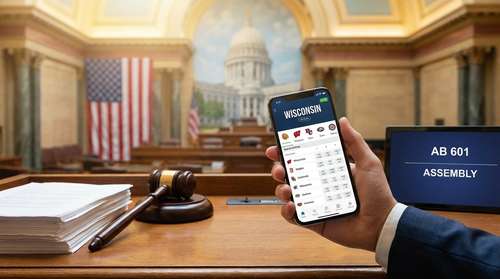
The landscape of Wisconsin sports betting took a monumental leap forward this week as the State Assembly officially passed Assembly Bill 601, a bipartisan measure designed to legalize statewide mobile wagering. In a decisive move on Thursday, lawmakers approved the legislation via a voice vote, setting the stage for a potential expansion of tribal gambling Wisconsin that would allow residents to place bets from anywhere within state lines.
Assembly Bill 601: A New Era for Wisconsin Betting
Wisconsin Assembly Bill 601 represents the most significant push yet to modernize the state's gaming laws. Currently, sports wagering is restricted to in-person betting at select tribal casinos and associated venues like Lambeau Field. The new legislation aims to bring mobile sports betting Wisconsin in line with neighboring markets by allowing the state's 11 federally recognized tribes to offer online platforms.
Under the proposed framework, tribes would hold exclusive rights to operate mobile sportsbooks. While this maintains the status quo of tribal sovereignty over gaming, it opens the door for partnerships with major commercial operators, provided the technology infrastructure remains on tribal land. The bill's passage in the Assembly is a critical victory for proponents who have long argued that Wisconsin is losing millions in revenue to the illegal offshore market.
The 'Hub-and-Spoke' Model Explained
The core of this Wisconsin betting expansion relies on a unique legal structure known as the "hub-and-spoke" model. This system, which has successfully withstood legal challenges in Florida, allows bets placed anywhere in the state (the "spokes") to be legally deemed as occurring at the server location on tribal territory (the "hub").
By utilizing this model, Wisconsin can technically expand wagering statewide without violating the state constitution's complex gambling restrictions or the federal Indian Gaming Regulatory Act. "This legislation bridges the gap between our historic tribal compacts and the modern reality of digital commerce," noted supporters during the floor session. If enacted, bettors would simply need to be physically located within Wisconsin borders to access legal sportsbooks Wisconsin apps.
Commercial Operators and Revenue Concerns
Despite the legislative progress, the bill faces headwinds from major industry players. The Sports Betting Alliance, representing giants like DraftKings and FanDuel, has voiced strong opposition to a specific provision in AB 601 requiring tribes to retain at least 60% of all revenue generated. Commercial operators argue this margin makes the market economically unviable for potential partners.
This friction highlights a central tension in Wisconsin sports betting: balancing tribal exclusivity with the commercial demands of national sportsbook brands. While the tribes view the 60% split as a necessary safeguard for their gaming compacts, critics warn it could limit the number of apps available to consumers if major brands refuse to enter the market under those terms.
Senate Hurdle: What Comes Next?
Attention now turns to the Wisconsin sports betting Senate prospects, where the path forward is less certain. Senate Majority Leader Devin LeMahieu has expressed hesitation, citing a lack of consensus within his caucus. "I don't know if we can get it across the finish line," LeMahieu told reporters earlier this week, casting doubt on whether the upper chamber will take up the bill before the legislative session concludes.
However, Governor Tony Evers has signaled his readiness to sign the measure if it reaches his desk. Evers, who negotiated the initial 2021 compact amendments that opened the door for retail betting, continues to support tribal-led gaming expansion. The coming weeks will be decisive as lobbyists and tribal leaders work to secure the necessary votes in the Senate to turn AB 601 into law.
Economic Impact and Consumer Protection
Proponents of the bill emphasize that mobile sports betting Wisconsin is already happening, albeit illegally. Estimates suggest Wisconsin residents wager hundreds of millions of dollars annually through unregulated offshore sites. By bringing this activity into a regulated framework, the state aims to ensure consumer protection while generating new revenue streams for tribal communities.
As the session enters its final days, the pressure is on. If the Senate acts, Wisconsin could join the ranks of over 30 states with fully operational mobile betting markets by late 2026. For now, all eyes are on the Capitol as lawmakers decide whether to embrace this digital transformation or leave bettors waiting for another cycle.