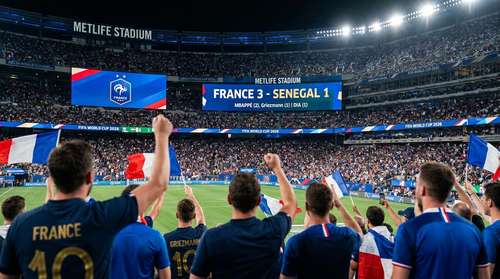
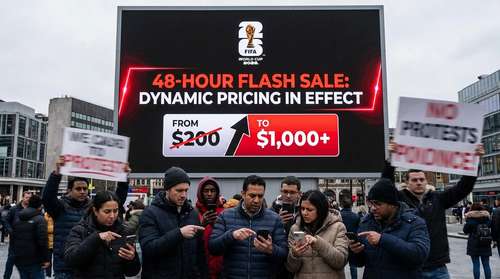
FIFA plunged the football world into chaos this week with an unannounced World Cup 2026 tickets flash sale, reopening the official portal for a surprise 48-hour window that ended earlier today. What was intended as a bonus opportunity for fans to buy 2026 World Cup seats ahead of the tournament in the USA, Canada, and Mexico has instead ignited a firestorm of controversy. Fans rushing to the FIFA ticket portal login page were met not only with crashing servers but with eye-watering prices, as the governing body's controversial "dynamic pricing" algorithm saw standard seat costs skyrocket to five times their face value in real-time.
Surprise Ticket Drop Turns into Digital Stampede
In a move that caught supporters groups and media off guard, FIFA announced the flash sale via social media late Tuesday, opening a FIFA surprise ticket window designed to clear remaining inventory from the previous lottery phases. Unlike the upcoming April phase, which was scheduled to be the first official "first-come, first-served" opportunity, this 48-hour blitz allowed instant purchasing for verified accounts.
The reaction was immediate. Within minutes of the queue opening, millions of fans flooded FIFA.com/tickets, creating wait times exceeding six hours. However, the joy of reaching the front of the queue turned to shock for many. Reports confirm that "Category 3" seats for group stage matches at venues like MetLife Stadium and SoFi Stadium—originally advertised around $150—were being listed for upwards of $850 due to high demand.
The Dynamic Ticket Pricing Controversy Explodes
The core of the backlash centers on the dynamic ticket pricing controversy. Similar to the surge pricing models used by ride-share apps and recently criticized in the Oasis reunion tour fiasco, FIFA's system automatically adjusts 2026 World Cup USA ticket prices based on web traffic and demand.
Consumer advocacy groups have been quick to condemn the practice. "This is a revenue-maximization experiment at the expense of loyal supporters," stated a spokesperson for Football Supporters Europe. While FIFA introduced a limited "Supporter Entry Tier" with fixed prices at $60, these affordable options vanished in seconds, leaving the majority of inventory subject to the surging "market value" rates. For many, the dream of attending the first 48-team World Cup is becoming financially impossible.
Fans Vent Frustration on Social Media
Social media platforms have been inundated with screenshots of the inflated prices. One viral post showed a checkout screen for a Round of 32 match in Dallas with a subtotal of $2,400 for two standard seats—a figure that would have covered a full hospitality package in previous tournaments. The phrase "Game Over Greed" has begun trending, with petitions circulating to demand a cap on ticket costs for the final sales phase.
What This Means for the April Sales Phase
This FIFA ticket sales February 2026 event was technically a deviation from the published schedule. The official final sales phase is still set to launch in early April 2026. However, analysts now warn that the pricing trends seen this week may become the new normal. If the "surprise" window was a stress test for FIFA's dynamic pricing algorithms, the financial results were likely a success for the organizers, even if they were a PR disaster.
For fans who missed out this week, the advice remains to ensure your FIFA ID is verified and payment methods are updated before the April launch. However, expectations for securing "face value" tickets should be tempered. As demand for the expanded tournament reaches unprecedented levels, the definition of "standard price" appears to be shifting by the minute.
How to Prepare for the Next Opportunity
Despite the uproar, the appetite for World Cup 2026 tickets remains insatiable. If you are planning to attempt the next purchase round, experts recommend logging in heavily in advance and coordinating with friends to maximize chances. Be aware that tickets in the "resale" section of the official portal may also be subject to fluctuating prices, making early access critical.
FIFA has yet to issue an official apology regarding the price surges, maintaining that their pricing model "reflects the market practice for major sporting events in North America." With the tournament kickoff fast approaching, the battle for seats is shaping up to be as competitive as the games themselves.