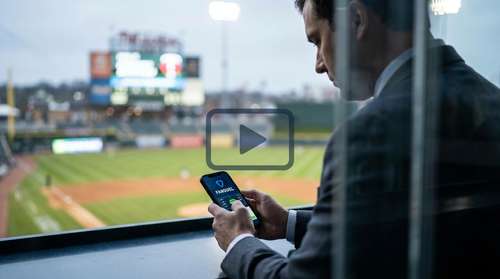
Philadelphia Phillies superstar Bryce Harper has publicly condemned the online betting giant FanDuel, claiming the sportsbook hijacked a personalized video he recorded to reward a high-rolling gambler. Addressing the growing Bryce Harper Cameo controversy, the two-time National League MVP stated he was entirely unaware of the recipient's severe gambling addiction and had no idea the footage would be manipulated for commercial purposes.
The video in question was sent to Terry Thompson, a Pennsylvania bettor who is now at the center of a massive FanDuel VIP lawsuit. Thompson, who reportedly wagered more than $18.5 million on the platform, lost over $1.5 million and has since filed a civil suit against FanDuel, DraftKings, the NFL, and data distributor Genius Sports. Represented by the Public Health Advocacy Institute, the lawsuit alleges these organizations utilized predatory tactics to exploit his compulsive gambling habit.
The Bryce Harper Cameo Controversy Explained
The timeline of the Bryce Harper FanDuel incident traces back to November 2024. According to screenshots shared by the Phillies first baseman on Instagram this Monday, an individual identifying herself simply as "Bryttanni" purchased a personal video request via the celebrity greeting app Cameo. The instructions asked Harper to wish Thompson a happy Thanksgiving and to say hello to Thompson's young son, Max.
"Had I known FanDuel's true intent, I would not have made the video," Harper explained to his millions of followers just hours before his scheduled participation in the Home Run Derby. "The same is true had I known anything about Terry or his situation, or about any alleged partnership between Cameo and FanDuel".
Harper emphasized that he processed the request in good faith under Cameo's personal category, rather than the business tier meant for commercial promotions. After he delivered the 21-second greeting, FanDuel allegedly superimposed its corporate logo over the footage before sending it to Thompson as a loyalty reward. "I did not consent to it, and FanDuel had no right to do it," the slugger declared.
Inside the Terry Thompson FanDuel Lawsuit
The legal battle initiated by Thompson sheds light on the darker corners of the sports betting boom. The Terry Thompson FanDuel case reveals that after he opened an account in October 2020, his initial wagers quickly snowballed into an uncontrollable cycle of in-game micro-betting. As his betting volume skyrocketed, the sportsbook assigned him a dedicated VIP host named Bryttanni Morgan—the same employee who orchestrated the Cameo request.
Legal documents claim that sports betting VIP hosts operate with a specific mandate: keep high-value customers engaged at all costs. Thompson was reportedly showered with lavish gifts, including all-expenses-paid trips to back-to-back Super Bowls, premium tickets to Philadelphia Eagles games, and expensive champagne. The lawsuit frames this strategy as a textbook example of FanDuel predatory marketing, arguing that the company knowingly weaponized digital perks to drain Thompson's remaining finances, eventually costing him his business and family savings.
The Reality of Predatory Marketing and VIP Programs
While betting operators maintain that their VIP programs are standard hospitality practices, advocates for gambling reform argue these tactics border on psychological manipulation. Behind the scenes, these platforms allegedly rely on sophisticated digital technology, including machine learning algorithms and artificial intelligence, to track user behavior and maximize engagement. Once a customer crosses a specific threshold of spending, VIP hosts step in to build intimate, personal relationships. They frequently text clients about their daily lives and tailor highly customized experiences to ensure the bettors remain loyal and active on the platform.
In response to the mounting backlash surrounding the lawsuit, FanDuel issued a statement defending its internal practices. A company spokesperson insisted that FanDuel is "committed to fostering a culture of responsible gaming" and claimed that its employees are specially trained to flag signs of problem gambling. However, the optics of supplying a known heavy bettor with a personalized shoutout from a local sports hero directly contradicts these consumer protection claims in the eyes of gambling addiction advocates.
A Growing MLB Sports Betting Controversy
Harper's unwitting involvement highlights a precarious era for professional baseball, which has aggressively embraced gambling partnerships in recent years. This incident represents yet another complex MLB sports betting controversy, demonstrating the increasingly blurred lines between athletes, fans, and the multibillion-dollar gambling industry. Major League Baseball regulations currently permit players to ink endorsement deals with sportsbooks, as long as they explicitly avoid promoting wagers on baseball. However, the Cameo loophole exposed by this lawsuit underscores a fundamental lack of control over how an athlete's image can be repackaged and distributed by third parties.
For Harper, the fallout serves as a stark warning to other public figures about the potential weaponization of fan engagement platforms. Although the Pennsylvania Gaming Control Board is reportedly reviewing the matter, Harper's quick, transparent response appears to have largely insulated him from legal liability. Still, the episode leaves an indelible mark on the sports landscape, amplifying urgent calls for stricter regulations on how sportsbooks market to their most vulnerable patrons.