
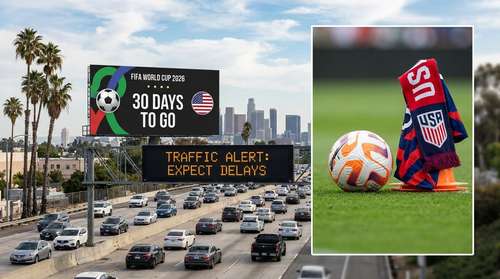
The FIFA 2026 one month countdown has officially begun. With exactly 30 days remaining until the highly anticipated World Cup 2026 opening match at Mexico City's Estadio Azteca on June 11, the reality of hosting the largest sporting event in history is settling in across North America. While millions of fans eagerly await the summer spectacle, a sweeping new transportation logistics report has issued a stark World Cup 2026 travel advisory, warning that infrastructure in several major metropolitan areas may buckle under the pressure. Simultaneously, the tactical groundwork is being locked in as all 48 participating nations beat Monday's deadline to submit their provisional 55-man rosters to global football's governing body.
Geotab Study Evaluates FIFA 2026 World Cup Host Cities
Global telematics and data analytics firm Geotab released a comprehensive mobility readiness report this weekend, ranking the infrastructure capabilities of the 16 North American host municipalities. By analyzing historical congestion patterns, mass transit capacity, and projected visitor influx models, the firm painted a sobering picture of what fans can expect on match days. While regions like Atlanta and Dallas earned high marks for seamless stadium ingress and robust mass transit integration, other markets are staring down severe logistical bottlenecks.
The most glaring concern centers on Los Angeles World Cup traffic. Hosting multiple knockout stage fixtures and highly sought-after group stage matches at Inglewood's sprawling SoFi Stadium, the greater LA area is projected to experience unprecedented gridlock. The Geotab report highlights the notoriously congested 405 freeway corridor and the lack of a direct, high-capacity rail line straight to the stadium gates as critical failure points. Traffic analysts estimate that travel times to the venue could triple on game days, prompting local authorities to urge fans to utilize off-site park-and-ride shuttles to mitigate the chaos.
Toronto's Transit Infrastructure Tested
North of the border, Toronto faces equally daunting logistical hurdles. The newly expanded BMO Field sits along the heavily trafficked Lakeshore Boulevard artery. The study indicates that the collision of regular weekday commuter traffic with an estimated 50,000 daily international visitors could easily overwhelm current GO Transit and TTC schedules. For fans already feeling the financial squeeze, these transit warnings are unwelcome news. Compounding the logistical headaches is the mounting FIFA 2026 ticket price backlash, as supporters increasingly voice frustration over the exorbitant costs of secondary market tickets, surging hotel rates, and now, complex and potentially expensive daily commuting challenges.
Roster Decisions: The USMNT Provisional Squad 2026 Deadline
While municipal planners scramble to finalize rapid transit routes, national team managers are executing their final tactical maneuvers. Monday marked the mandatory deadline for all 48 federations to submit their provisional 55-man player lists. This expanded preliminary roster format provides coaching staffs with essential flexibility to navigate late-season club injuries, domestic league fatigue, and last-minute tactical adjustments before whittling the lists down to the final 26-man squads at the end of May.
For domestic fans, the submission of the USMNT provisional squad 2026 represents the culmination of a massive four-year cycle fraught with high expectations. The United States men's national team faces immense pressure to deliver a deep knockout-stage run on home soil. The preliminary 55-man list features a predictable core of European-based veterans, but the inclusion of several breakout MLS talents highlights the intense competition for the final plane tickets to the team's base camp. Navigating lingering minor injuries to key starting midfielders remains the absolute top priority for the coaching staff over the next three weeks.
The provisional deadline also offered a glimpse into the depth charts of international heavyweights. Defending champions Argentina and European powerhouse France submitted lists heavily leaning on Champions League experience. For these global titans, the 55-man list is less about discovering new talent and more about securing insurance policies against the brutal physical toll of the modern club calendar.
Balancing Excitement with Reality
The expanded 48-team format makes this summer's tournament a massive undertaking, unlike anything previously attempted in global sports. Distributing the matches across three massive countries requires coordinated international effort, and the latest transit reports underscore the physical limitations of even the most developed urban centers. The FIFA 2026 World Cup host cities are now in a race against the clock to patch vulnerabilities in their transportation grids.
Authorities across all jurisdictions are launching aggressive public awareness campaigns this week to address the travel advisories head-on. Event planners are urging domestic and international attendees to download local transit applications immediately, prepay for designated parking where available, and build significant buffer times into their matchday schedules.
As the calendar pages turn and the countdown dominates the global news cycle, the focus is rapidly shifting from abstract preparation to concrete reality. Whether it is navigating the labyrinth of Southern California freeways or surviving the ruthless final roster cuts, the margin for error for both players and host cities has officially vanished.