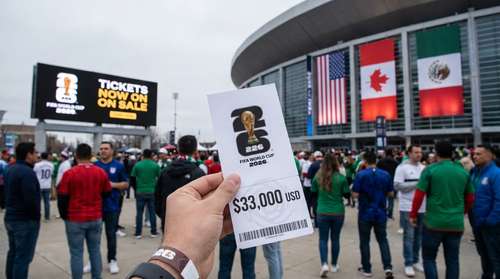
The one-month countdown to the global spectacle of soccer has officially begun, but the anticipation is rapidly being overshadowed by severe sticker shock. As the latest "last-minute sales phase" progresses, the hunt for FIFA World Cup 2026 tickets has transformed into a frustrating financial battleground for everyday supporters. Fans, politicians, and pundits alike are expressing outrage as the cost to attend the summer tournament reaches astronomical new heights, leaving millions effectively priced out of the sport's biggest event.
The $33,000 Seat: Breaking Down the 2026 World Cup Final Ticket Price
In what critics are calling a "monumental betrayal" of the beautiful game, the governing body recently tripled the cost of its premium seats for the July 19 showpiece match. The top-tier 2026 World Cup final ticket price now stands at a staggering $32,970 for newly introduced "Front Category 1" access. These premium front-row seats will put fans right on the pitch for the MetLife Stadium World Cup 2026 final in New Jersey, but the price tag represents an unprecedented leap. For context, the absolute highest-priced face-value ticket for the 2022 final in Qatar was approximately $1,600.
This massive surge is driven largely by the unfolding FIFA dynamic pricing controversy. Instead of offering centrally set, fixed pricing, the organization is utilizing real-time market data to adjust costs based on demand—similar to airline or concert ticketing models. While FIFA initially claimed months ago it would not use dynamic pricing, the current landscape tells a different story. FIFA President Gianni Infantino has defended the strategy, citing an obligation to "apply market rates" in a heavily developed entertainment market, even controversially comparing the entry costs to attending a high-level American college football game.
Lawmakers Push Back on Ticketing Strategy
The skyrocketing costs have not gone unnoticed by lawmakers. New York City Mayor Zohran Mamdani's office confirmed active negotiations with FIFA, arguing that working-class New Yorkers should not be sidelined from a historic event happening right across the river. Furthermore, U.S. Congress representatives Nellie Pou and Frank Pallone Jr. have penned letters voicing their dismay, pressuring organizers to rethink a strategy that could yield an estimated $3 billion in ticketing revenue alone.
USMNT World Cup Opener: Empty Seats in Los Angeles?
The sticker shock is not limited to the tournament's climax. On June 12, the United States will kick off its group stage campaign against Paraguay at SoFi Stadium in Los Angeles. Yet, despite the massive cultural significance of the USMNT World Cup opener, thousands of seats remain completely unsold on the primary market.
Currently, the get-in price for the Los Angeles opener sits comfortably above $1,100, while premium front-row seats initially surged past $4,105 before experiencing slight market corrections. The pricing has become such a massive talking point that even former U.S. President Donald Trump weighed in, remarking, "I wouldn't pay it" when informed of the $1,000-plus entry barrier for the national team's debut. Fans hoping for a raucous, sold-out atmosphere are now worried that the exorbitant costs will lead to visibly empty sections during the country's biggest soccer moment in decades.
The struggles with ticket sales highlight a stark contrast between local fan enthusiasm and global pricing realities. While U.S. soccer culture has grown exponentially, average supporters are balking at the financial commitment required to attend even a single group-stage match. It forces an uncomfortable conversation about who this tournament is truly for: the passionate grassroots fans who built the sport, or the corporate elites willing to pay top dollar for the spectacle.
Can Everyday Fans Still Buy 2026 World Cup Tickets?
With just 30 days until the opening kickoff in Mexico City on June 11, the reality for everyday supporters is grim. Those looking to buy 2026 World Cup tickets directly through official channels are met with a fractured and expensive marketplace.
Throughout the 16 World Cup 2026 host cities, group-stage matches involving heavyweights like England, Brazil, and Argentina routinely demand well over $1,000 just to get through the turnstiles. For example, front category tickets for Scotland vs. Brazil in Miami are listed at over $2,600, while Canada's opener in Toronto shows availability stretching up to $3,360.
To combat the narrative of exclusivity, FIFA frequently points to its cheaper inventory:
- Supporter Entry Tier: A special allocation of tickets priced at a highly affordable $60.
- Category 3 Seats: Standard group-stage tickets that occasionally populate the official portal for $120 to $250.
However, the $60 tier was exclusively allocated via national federations to loyal fans with a proven attendance history and accounts for less than 2% of the total tournament capacity. For the general public, finding a face-value Category 3 ticket requires waiting in hours-long virtual queues on the official ticketing portal, often only to be met with error messages or completely exhausted inventory.
The Resale Market Gamble
The secondary market is proving to be an entirely different beast. The official FIFA resale platform continues to host tickets, but sellers are frequently attaching exorbitant markups. Because FIFA reportedly collects a sizable commission on transactions within its official marketplace, critics argue the organization has little incentive to crack down on spiraling resale values.
As the clock winds down to the highly anticipated summer tournament, the stark reality of the "skyboxification" of modern sports has fully arrived. Whether market forces will eventually drive these historic prices down as matchdays approach remains to be seen, but for now, the 2026 event is unequivocally shaping up to be the most exclusive—and expensive—in the history of global soccer.