The 25-day clock is ticking relentlessly. On June 11, the globe's biggest sporting spectacle kicks off, but the highly anticipated tournament is currently embroiled in an unprecedented barrage of off-pitch drama. Desperate fans hunting for FIFA World Cup 2026 tickets are confronting a brutal reality on official resale markets, while several key venues are racing against time to finalize complex engineering projects. From astronomical price tags in New Jersey to literal concrete crumbling in Mexico City, the final sprint to the event is proving to be a logistical nightmare for organizers trying to manage the largest tournament in history.
The $33,000 Sticker Shock for the MetLife Stadium World Cup Final
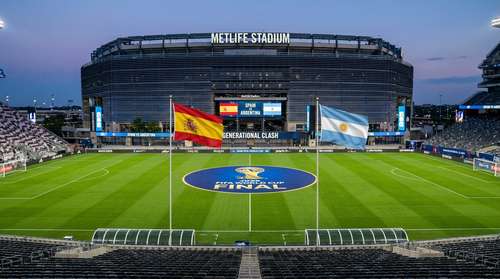
For die-hard football supporters, the MetLife Stadium World Cup final on July 19 represents the absolute pinnacle of the sport. Yet, securing a seat inside the 82,500-capacity East Rutherford, New Jersey venue has morphed into an extreme luxury reserved for the ultra-wealthy. Over the weekend, official World Cup 2026 ticket prices surged to jaw-dropping heights, with some premium listings on the FIFA 2026 resale platform demanding an unprecedented $33,970.
While the initial global ballot allocations provided everyday fans a fair shot at face-value admission, the secondary market has rapidly become a millionaire's playground. The intense demand clearly underscores the monumental scale of this cross-border tournament, but it leaves ordinary, lifelong supporters completely locked out. Consumer advocates have sharply criticized the platform's fluctuating price caps, arguing that the beautiful game is being aggressively corporatized and priced out of reach. For a family of four hoping to catch a simple glimpse of sporting history, the financial barrier has never been steeper, and the backlash across social media over the last 48 hours has been deafening.
Estadio Azteca Renovations Spark Legal Disputes and Safety Fears
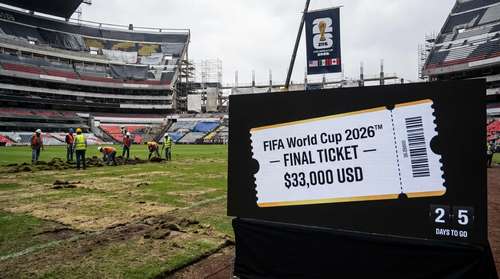
While financial controversies dominate the American markets, physical infrastructure is the primary crisis brewing south of the border. On June 11, Mexico City's hallowed Estadio Azteca is slated to host the opening match between Mexico and South Africa. It will become the first stadium in history to host matches in three separate World Cup tournaments, echoing the legendary triumphs of Pelé in 1970 and Diego Maradona in 1986. However, the ambitious Estadio Azteca renovations have devolved into a frantic, dispute-ridden construction site.
Reports surfacing over the past two days paint a grim picture. Despite a ceremonial reopening earlier this spring, fans attending recent Liga MX matches have documented alarming construction flaws. New advertising boards have severely obstructed sightlines from the newly installed pitchside premium seating, forcing local organizers to immediately pull some of the most expensive tickets from the market. Worse still, troubling footage of crumbling concrete beneath the upper stands and unfinished sanitary facilities has triggered intense structural safety fears just weeks before kickoff. Local authorities and contractors are now entangled in urgent legal disputes over the delayed timelines, raising serious, mounting questions about the venue's overall readiness to welcome the world safely.
Grass Pitch Transformations Challenge Key Host Cities
The stadium complications aren't isolated to Mexico. Several World Cup 2026 host cities across the United States are currently executing massive horticultural gambles. FIFA strictly mandates natural grass surfaces to ensure predictable ball movement and protect player safety, forcing artificial turf stadiums into incredibly complex natural grass pitch transformations.
In Los Angeles, SoFi Stadium is presenting one of the most difficult engineering tests in modern sports history. The massive $5 billion indoor arena requires highly calibrated temperature controls, intense artificial lighting management, and custom sub-surface drainage systems just to keep the newly installed natural grass alive under a translucent canopy. Meanwhile, down in Texas, Houston's NRG Stadium has essentially become a high-stakes agricultural zone. Ground crews are working around the clock to compress a delicate pitch installation process that usually requires several months of careful rooting into a frantic, compressed timeline of just a few weeks. The pressure is palpable: a single failure in the turf's integration could result in dangerous, shifting surfaces that risk severe player injuries on the global stage.
The Final World Cup 2026 Countdown
As the World Cup 2026 countdown narrows to a mere 25 days, the stakes have truly never been higher. Expanding the format to 48 teams and spanning 104 matches across three vast North American nations is an organizational feat unparalleled in sports history. The logistical hurdles were always expected to be immense, but the current convergence of ticketing outrage and severe infrastructure anxiety is severely testing the resolve of global organizers.
Every single hour matters now. Stadium authorities from the New York metropolitan area to Mexico City are working under immense international scrutiny to deliver a flawless product. Whether the venues will be polished and fully operational by the June 11 kickoff—and whether the average fan can even afford to walk through the turnstiles—remains the biggest storyline of the summer.