Major League Baseball’s bold leap into the future has officially produced its first major casualty. Minnesota Twins manager Derek Shelton made unprecedented history on Sunday, March 29, becoming the first skipper to be tossed from a game over the league's newly implemented MLB ABS Challenge System. The dramatic Derek Shelton ejection 2026 unfolded during a tense matchup against the Baltimore Orioles, instantly igniting a fierce automated ball-strike controversy that has fans and players fiercely debating the boundaries of Major League Baseball technology,.
The Breaking Point in the Twins vs Orioles 2026 Showdown
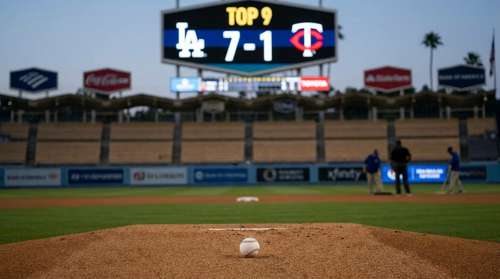
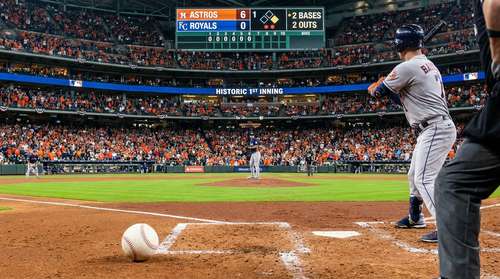
The groundbreaking incident took place in the top of the ninth inning during the Twins vs Orioles 2026 opening weekend series. The Orioles were holding on to an 8-6 lead when Twins designated hitter Josh Bell faced off against Baltimore closer Ryan Helsley. With one out, Helsley threw a 3-2 pitch that home plate umpire Chris Segal called a ball, seemingly awarding Bell a crucial walk.
Instead of accepting the call, Helsley tapped his cap to signal a review under the new MLB ABS Challenge System. The automated system quickly analyzed the trajectory and overturned the human umpire's decision, transforming a critical Twins baserunner into a momentum-killing strikeout. However, it wasn't the pitch tracking that sparked the fireworks—it was the clock,.
Shelton exploded out of the visiting dugout, vehemently arguing that Helsley had violated one of the strict new MLB rule changes. The current regulations dictate that a pitcher, catcher, or batter must signal for a review within approximately three seconds of the play,. Shelton maintained that the Orioles closer hesitated far too long before tapping his head, making the challenge invalid. Segal quickly ran Shelton, officially recording the first managerial ejection of the MLB robot umpires era,.
Inside the Automated Ball-Strike Controversy
The post-game press conferences highlighted the growing pains of integrating advanced tech into a sport built on human rhythm. Shelton defended his outburst, focusing entirely on the procedural gray area rather than the strike zone itself.
"I didn't think Helsley tapped his hat quick enough," Shelton explained to reporters following the Derek Shelton ejection 2026 incident. "Maybe he did, maybe he didn't. But I didn't feel he did. I feel it's gotta be something that's in the three-second range, and I didn't think it was there. But the umpiring crew thought it was".
For his part, Helsley acknowledged the tension, admitting he was initially confused because the home plate umpire did not immediately see his signal. The pitcher noted that second base umpire Laz Díaz eventually backed him up, confirming the challenge was requested promptly. "I can respect Shelton for trying to not get him to do it there because it did seem like it was a little long in that moment," Helsley stated, recognizing the validity of the Twins manager's frustration.
The Complex Reality of MLB Rule Changes
When the league competition committee approved the MLB ABS Challenge System, many pundits assumed it would drastically reduce manager tantrums,. Before the season began, prominent baseball figures like Hall of Famer Jim Leyland and Tampa Bay Rays manager Kevin Cash expressed optimism that the technology would eliminate traditional arguments. After all, if a computer provides the definitive answer on pitch locations with an incredibly low margin of error, what is left to argue? This weekend proved that baseball personnel will always find the margins to contest.
Under the current setup, teams receive two challenges per game, retaining their appeal if the video review proves them correct. While Hawk-Eye tracking cameras handle the spatial geometry of the strike zone, the implementation of MLB robot umpires still relies heavily on human elements. Umpires must monitor the timeframe, players must decide instantly when to initiate the review, and managers are watching closely to ensure the opposition follows the exact protocol,. If the three-second rule remains subjective and untracked by a visible stadium countdown clock, this specific automated ball-strike controversy is guaranteed to repeat itself throughout the season.
Evaluating Major League Baseball Technology Moving Forward
Despite the high-profile ejection, the broader rollout of the challenge system showed promising functionality during the Twins vs Orioles 2026 series. Teams are learning how to deploy their limited challenges strategically. Earlier in the series, the Twins successfully used the system four times in a single game, overturning three incorrect strike calls to their advantage.
However, Shelton's historic ejection highlights a necessary evolution for Major League Baseball technology. Just as the pitch clock required visible timers in every stadium to prevent disputes, the ABS system may soon require a similar visual aid to track the three-second challenge window.
As the sport settles into this new era, the role of the manager is clearly shifting. They may no longer charge the field to kick dirt over a missed strike three, but they will fiercely police the implementation of these MLB rule changes. For Derek Shelton, who took over the Twins in October 2025, taking a stand on procedural fairness was worth the 17th ejection of his managerial career. The digital age of baseball has arrived, and it brings an entirely new set of unwritten rules with it.