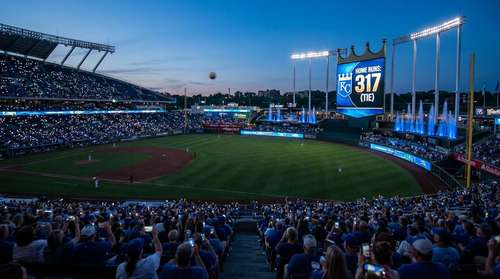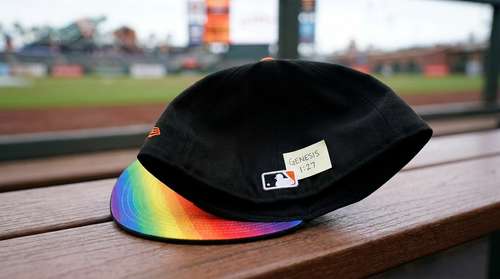
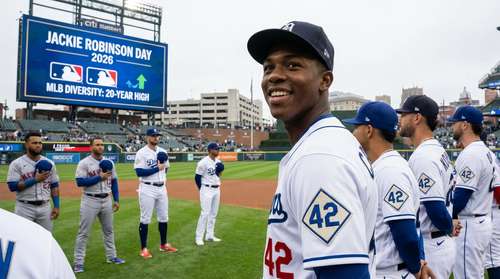
As teams take the diamond today, the visual remains as powerful as ever: every player, coach, and umpire proudly wearing MLB No. 42 in matching Dodger blue. Major League Baseball is celebrating Jackie Robinson Day 2026, marking the historic moment 79 years ago when Robinson shattered the sport's color barrier. Yet, this year's commemoration carries an extra layer of triumph. According to newly released league data, the representation of Black players in Major League Baseball has reached a 20-year high on Opening Day rosters, demonstrating that long-term investments in youth development are finally paying undeniable dividends.
A Historic Milestone: Analyzing the MLB Diversity Statistics 2026
The Jackie Robinson 79th anniversary arrives alongside highly encouraging news for the sport's future. For the first time in at least two decades, MLB has recorded consecutive years of growth in African American player representation. The official MLB diversity statistics 2026 reveal that Black athletes made up 6.8% of Opening Day active, inactive, and restricted lists.
This 6.8% mark reflects a steady, continuous climb from 6.0% in 2024 and 6.2% in 2025. The 0.6% year-over-year jump is the largest single-season increase the league has seen since 2018. While the sport is still working toward the historical peak of 18% recorded in 1991 by the Institute for Diversity and Ethics in Sport, halting decades of decline and reversing the trend is a monumental victory for baseball executives and community leaders.
The Youth Pipeline Paying Dividends
Why the sudden shift? The answer lies in targeted grassroots initiatives. Of the 64 Black players featured on this year's Opening Day rosters, 20 are direct alumni of MLB-backed development pipelines. Programs like the DREAM Series, the Breakthrough Series, the Hank Aaron Invitational, and the MLB Youth Academy are fundamentally reshaping the league's demographic landscape.
This incoming wave of talent is also noticeably young. The average age of Black players in the league currently sits at 27.8 years old—well below the overall league average of 29.25. Astonishingly, 22 of these major leaguers are 25 years old or younger. Furthermore, 17 additional Black prospects were assigned to 40-man rosters on Opening Day, including rising stars like Milwaukee Brewers outfielder Blake Perkins, who earned his promotion in late March. This youth movement suggests that the modern Jackie Robinson legacy is actively inspiring and sustaining the next generation of franchise cornerstones.
League-Wide Tributes for the Jackie Robinson 79th Anniversary
In the most visible MLB news today, on-field tributes remain the centerpiece of the April 15 schedule. The tradition of standardizing MLB No. 42 across all 30 teams serves as a unified show of respect for the man who debuted for the Brooklyn Dodgers on April 15, 1947. Beyond the iconic jerseys and matching Stance socks, special commemorative base jewels, New Era cap patches, and "Breaking Barriers" batting practice shirts are prominent in every stadium.
In Los Angeles, the commemoration holds profound geographical and historical weight. The Los Angeles Dodgers and the visiting New York Mets organized a joint reflection ceremony at the Jackie Robinson statue in Dodger Stadium's Centerfield Plaza. Mets manager Carlos Mendoza eloquently captured the sentiment shared by many minority personnel across the league, noting the unimaginable pressure Robinson faced. Mendoza emphasized that Robinson's courage opened doors not just for Black athletes, but for Latinos and marginalized groups worldwide.
Expanding the Jackie Robinson Legacy Beyond Baseball
While the visual of an entire league wearing a single number is striking, Robinson's true impact was never strictly about baseball—it was about economic empowerment, civil rights, and educational advancement. In alignment with Jackie Robinson Day 2026, the league and its partners are pushing his message far beyond the foul lines.
The Jackie Robinson Museum in Manhattan is hosting a series of interactive events, including financial literacy workshops for youth aged 10 to 15, spearheaded by MLB's Reviving Baseball in Inner Cities (RBI) program and Citizens. Digital platforms are also participating in the educational push. Coinciding with the 79th anniversary, the popular video game MLB The Show 26 released new interactive Negro Leagues Storylines today, ensuring that the history of Hall of Famers like Ray Dandridge and Smokey Joe Williams reaches younger, gaming-centric audiences.
Additionally, the Jackie Robinson Foundation continues to provide crucial scholarship programs and leadership training for minority youth. Representatives and scholars from the foundation are present at ballparks across the country today, serving as living testaments to Robinson's enduring vision. By connecting historical education with modern economic opportunities, baseball is ensuring that Robinson's barrier-breaking spirit remains an active force in society.
The Future of Black Players in Major League Baseball
Hitting a 6.8% representation mark is a verified reason for celebration, but league officials recognize the mission continues. The current upward trajectory proves that intentional, sustained investment in marginalized communities yields tangible results at the highest levels of professional sports.
As fans reflect on the barrier-breaking events of 1947, the narrative has shifted from strictly looking back at historical struggles to actively building a more inclusive future. With back-to-back years of roster growth and a robust pipeline of young talent making their mark, the outlook for Black players in Major League Baseball is undeniably brighter today than it has been in a generation.