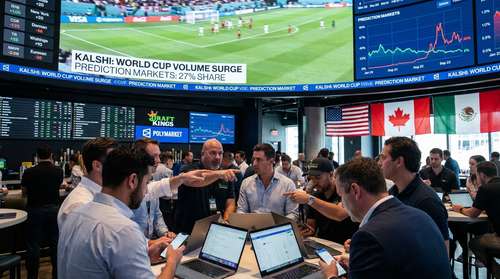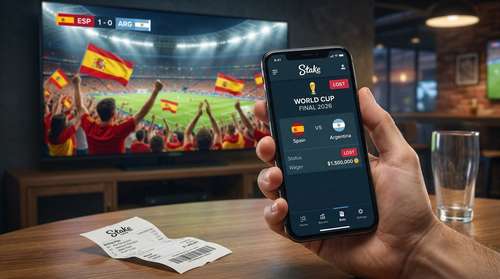

The dust has barely settled on Spain’s dramatic 1-0 extra-time victory over Argentina in the 2026 FIFA World Cup final, but the most seismic shift of the tournament didn't happen on the pitch at MetLife Stadium. It happened on our smartphones. The 2026 World Cup betting handle has fundamentally rewritten the rules of sports wagering, moving the goalposts for an entire industry. In a staggering upset to the established order, prediction markets like Kalshi and Polymarket captured an estimated 27% of all legal U.S. sports betting volume during the tournament, according to industry estimates from H2 Gambling Capital.
That 27% slice marks a massive leap from the mere 9% market share these event-trading platforms held at the start of the year. The sheer volume of capital flowing through the Kalshi Polymarket World Cup ecosystem has left traditional sportsbook executives scrambling to adapt. Simultaneously, the massive injection of decentralized capital has triggered an international uproar. With billions of dollars changing hands globally, the Council of Europe has issued a stern public warning to FIFA, demanding immediate action to protect the sport's integrity from unregulated financial influence.
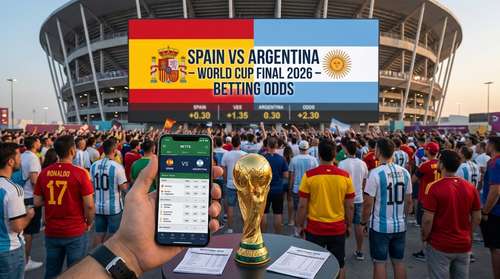
Spain vs Argentina Betting Final Shatters Expectations
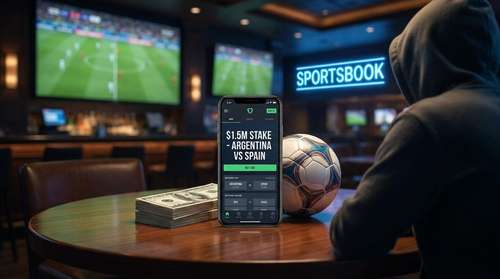
The sheer scale of the financial action surrounding Sunday's championship match is difficult to overstate. The Spain vs Argentina betting final generated an unprecedented frenzy, with more than $5.69 billion wagered on the outcome across Kalshi and Polymarket alone. Bettors who backed Spain capitalized when Ferran Torres found the back of the net in the 106th minute, securing the European nation's second World Cup title.
The real winner, however, was the prediction market format itself. Unlike traditional sportsbooks that rely on set odds and a built-in house edge, these peer-to-peer exchanges allow users to buy "yes" or "no" shares on specific outcomes. As probabilities shift, share prices fluctuate, meaning the platforms function more like a stock exchange than a casino. Despite operating entirely separate liquidity pools, Polymarket and Kalshi incredibly converged on nearly identical probabilities ahead of kickoff, both pricing Spain at roughly a 59% chance of lifting the trophy.
Kalshi reported gaining over 3 million new users throughout the tournament, driving over $1.2 billion in trading on its World Cup champion market alone. The company deployed an aggressive marketing blitz, partnering with soccer legends like Luka Modric and José Mourinho, while also securing a featured brand post on Lionel Messi’s Instagram account.
DraftKings vs Prediction Markets: The App Store Upset
The rise of event-based trading has created a fierce battleground for market share. When analyzing DraftKings vs prediction markets, the momentum currently favors the newcomers. Data from Apptopia reveals that during the peak weeks of the tournament, Kalshi's mobile app routinely surpassed both DraftKings and FanDuel in daily active users.
This dramatic shift in consumer behavior is sending shockwaves through Wall Street. Shares for DraftKings and FanDuel's parent company, Flutter Entertainment, have slumped more than 30% this year. The pressure is mounting as these sports betting prediction markets prove they are no longer just a niche playground for day traders, but a mainstream alternative for everyday sports fans.
Bernstein analyst Ian Moore noted that the World Cup surge has put "feet to the fire" for traditional sportsbooks to launch similar peer-to-peer products. Prediction platforms operate under the federal oversight of the Commodity Futures Trading Commission (CFTC), allowing them to operate in states where conventional sports gambling remains illegal and accept users starting at age 18 rather than 21. This regulatory edge provides a cheaper, low-friction customer acquisition channel that traditional sportsbooks simply cannot match.
Council of Europe FIFA Integrity Talks Prompt Urgent Action
The explosive growth of these platforms has not gone unnoticed by global watchdogs. Hours before the final match, Council of Europe Secretary General Alain Berset issued a scathing open letter to FIFA President Gianni Infantino. The letter explicitly targeted the governing body’s escalating commercial ties to prediction markets, warning that the sport is increasingly threatened by unchecked financial liquidity.
"The next crisis has already begun," Berset wrote, noting that it carries two names: "money and power."
The urgent Council of Europe FIFA integrity talks aim to address the specific vulnerabilities exposed by massive peer-to-peer betting pools. Berset called for a constructive dialogue to establish a rigid integrity framework well ahead of the 2030 World Cup. Regulators across the Atlantic are already taking matters into their own hands to curb the rapid expansion of these platforms.
Mounting Regulatory Pushback
While the CFTC oversees Kalshi in the United States, international regulators are applying the brakes to offshore competitors:
- France takes a hard line: The French gambling regulator, Autorité Nationale des Jeux (ANJ), ordered internet service providers to block Polymarket entirely after French site visits topped 578,000 in June, strictly enforcing their 2024 transaction ban.
- Security and manipulation fears: Expanding beyond sports, Meteo-France recently filed a criminal complaint after hackers manipulated a weather probe to fix climate-related bets on Polymarket, illustrating the wider security risks associated with easily accessible event contracts.
Rewriting the FIFA World Cup Final Betting Records
As the celebrations fade, the newly established FIFA World Cup final betting records indicate that the sports gambling landscape is irrevocably changed. The massive success of the Kalshi and Polymarket models proves that global audiences are hungry for alternative wagering methods that offer dynamic pricing and the ability to trade in and out of positions mid-match.
With the lucrative NFL season looming on the horizon, the question is no longer whether event contracts will survive. The true test is how quickly traditional sportsbooks can pivot their technology, and whether international regulators can build safety frameworks fast enough to monitor them. The 2026 World Cup didn't just crown Spain as the champion on the field; it successfully crowned a new heavyweight in the betting industry.