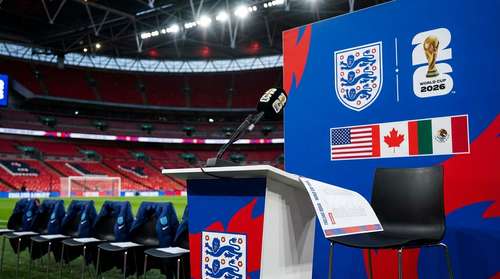
In a move that has sent shockwaves through the global football landscape over the past 48 hours, the official England World Cup 2026 squad has been announced, and the omissions are nothing short of staggering. Thomas Tuchel England manager has made his definitive statement ahead of the pivotal tournament in North America, opting for tactical rigidity over raw creative flair. The biggest headlines dominating sports networks today revolve around the Phil Foden World Cup omission, alongside the glaring absence of Chelsea talisman Cole Palmer. If you were searching for standard 2026 FIFA World Cup news, this roster drop has rewritten the script entirely, leaving fans and analysts demanding answers.
Tactical Pragmatism: The Foden and Palmer Snub
When evaluating the Cole Palmer England roster snub, one must look closely at Tuchel's overarching football philosophy. The German tactician has historically favored highly structured pressing systems and robust defensive shapes over free-flowing, individualistic attacking play. Both Palmer and Manchester City's Foden thrive in pockets of space, operating with a creative freedom that apparently does not align with the manager's strict blueprint for tournament success. By leaving his most prolific domestic playmakers at home, Tuchel is signaling a complete shift away from the expansive football seen in previous qualifying campaigns.
The Foden decision is particularly jarring given his domestic pedigree. However, international knockout football is notoriously unforgiving, and the current coaching staff clearly believes that accommodating multiple free-roaming tens leaves the midfield too vulnerable to counter-attacks. It is a ruthless calculation, swapping individual brilliance for collective defensive resilience.
The Defensive Rebuild: Missing Alexander-Arnold
Equally stunning is the absence of Liverpool's premier right-sided playmaker. The Trent Alexander-Arnold England squad exclusion highlights a decisive pivot towards traditional defensive solidity on the flanks. While Alexander-Arnold offers unmatched progressive passing and set-piece delivery, Tuchel has prioritized full-backs who can reliably lock down wide areas against elite wingers. In the high-stakes environment of a World Cup, a single defensive lapse can mean a flight home.
This decision ends months of fierce speculation dominating the latest England soccer team news. The managerial staff reviewed the data from the recent international breaks and concluded that a flat backline, or a highly disciplined wing-back system, requires defenders who prioritize tracking back over inverted midfield transitions. Alexander-Arnold's exclusion is the ultimate proof that reputation carries zero weight in this new regime.
The Wing-Back Blueprint: Welcome Djed Spence
To fully grasp who was left behind, we must examine who booked a ticket on the plane. The surprise inclusion of Djed Spence speaks volumes about the tactical setup we can expect across the United States, Canada, and Mexico. Spence offers blistering vertical pace and natural width, traits that are absolutely essential for a manager who frequently utilizes dynamic wing-backs to stretch the opposition's defensive lines.
By sacrificing central inverted playmakers, the squad leans heavily into wide verticality. Spence's remarkable ability to recover defensively while relentlessly bombing down the touchline provides the exact two-way profile the coaching staff demands. While casual supporters might not recognize him as a superstar name, his specific skill set fits the system like a glove. It is a massive structural gamble, but one built on a clear, uncompromising strategic vision.
Ivan Toney's Triumphant Return
While the midfield and defensive choices have dominated the front pages, the attacking reinforcements offer their own compelling narrative. Ivan Toney has officially secured his place in the final 26-man group, providing a completely different physical and tactical profile compared to the rest of the forward line. Toney brings elite aerial presence, unmatched hold-up play, and a notoriously cold-blooded penalty record.
His inclusion gives the Three Lions a genuine focal point, allowing them to bypass heavily congested midfields with direct play when intricate passing lanes are shut down by top-tier opponents. Furthermore, tournament football often comes down to penalty shootouts, and having a specialist like Toney waiting on the bench is an invaluable asset that Tuchel simply could not ignore.
High Stakes on the Global Stage
The reaction across London, Manchester, and beyond has been fiercely polarized since the announcement dropped. Pundits are aggressively questioning whether a modern team can genuinely challenge for the greatest prize in sports without its most gifted technicians. Leaving behind the Premier League's top assist providers and goal contributors is a monumental risk that will undoubtedly define the current managerial era.
As the 26-man squad gathers at St. George's Park for their final preparations this week, the pressure is palpable. If the team returns home early, the manager will face relentless, unprecedented scrutiny over his squad selection. However, if this pragmatic, hyper-structured approach finally ends a six-decade trophy drought, he will be immortalized as the bold tactical genius who made the agonizing calls nobody else dared to make.