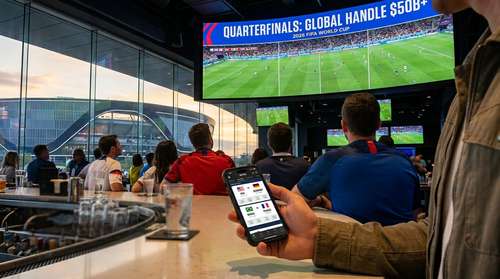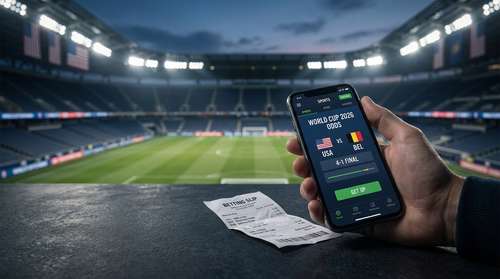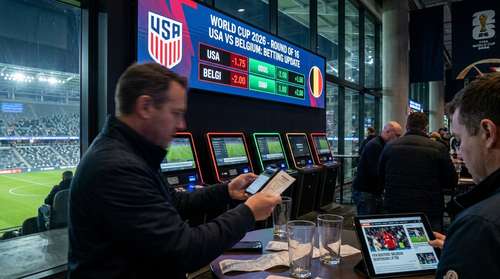
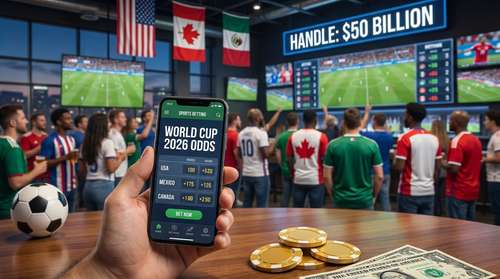
The stakes have never been higher on the global soccer stage. As the 2026 tournament enters its highly anticipated quarterfinal round on July 9, the action on the pitch is being eclipsed by staggering financial numbers off it. When evaluating global sports betting records 50 billion dollars is the baseline estimate for total handle. A combination of favorable North American time zones, a newly expanded 48-team format, and the rapid maturation of the legal U.S. market has pushed the volume of wagers to unprecedented heights. Every morning, millions of fans log on to analyze the latest World Cup 2026 betting odds before the daily slate of matches kicks off. This isn't just a sporting event anymore; it has transformed into a financial phenomenon that spans continents and demographics.
The Perfect Storm for a Wagering Explosion
The sheer scale of this summer's tournament laid the groundwork for this massive influx of capital. Moving from 32 to 48 teams expanded the schedule to an exhaustive 104 matches, representing forty more opportunities for fans to lay down a wager. For bookmakers, increased inventory naturally equates to a larger overall handle. But the true catalyst has been the geographic location of the host nations. Spread across the United States, Canada, and Mexico, matches are kicking off in prime broadcast windows for the Americas while remaining highly accessible to the European evening market.
This geographic advantage has funneled unprecedented capital into domestic and international operators alike. While the global unregulated and regulated markets combine for the massive handle estimate, financial institutions like Deutsche Bank project the U.S. alone will process over $3.3 billion in legal wagers. Bettors are logging on from 38 states where sports wagering is now legal, representing a massive leap from the heavily restricted regulatory landscape present during the 2022 tournament in Qatar. Instead of waking up before dawn to place a bet, American fans are now wagering during prime-time evening broadcasts.
American Sportsbooks Dominate the Action
The dramatic shift in U.S. legislation over the past four years positioned domestic operators for a massive windfall, and the early returns are staggering. Industry giants are reporting unprecedented engagement metrics across their platforms. The projected FanDuel World Cup handle is pacing well ahead of recent Super Bowl numbers, driven largely by casual domestic fans adopting international soccer into their regular betting diets. The company has aggressively marketed the tournament, offering localized promotions tied to matches happening in their respective regional markets.
A similar revenue surge is visible across competing platforms. DraftKings soccer betting volume has spiked dramatically during the grueling group stages and the newly introduced Round of 32. Instead of relying solely on traditional match-winner markets, these sportsbooks have heavily promoted same-game parlays and live in-play betting. This strategic pivot keeps users engaged for the full 90 minutes of regulation, driving continuous live-action wagers and drastically compounding the total amount of money staked per match. By offering real-time cash-out options and micro-betting features, sportsbooks have transformed a passive viewing experience into an interactive financial exchange.
The Evolution of Modern Soccer Wagering
How fans bet on the beautiful game has evolved just as rapidly as the sport itself. Traditional moneyline wagers and total goal over/unders still hold massive appeal, but the explosive growth area for operators lies in granular, event-specific wagers. When browsing the player props World Cup menus, bettors are breaking down matches possession by possession, shifting their focus from team success to individual statistical achievements.
As we navigate the quarterfinals, the betting public is focused intensely on individual brilliance. Markets for specific metrics like shots on target, total passes completed in the midfield, and even which player will receive the first yellow card are drawing immense volume. With international superstars like France's Kylian Mbappé facing Morocco on July 9 in Boston, or Norway's Erling Haaland preparing to test England's backline on July 11 in Miami, the prop market allows fans to invest in individual narratives even if they lack a strong opinion on the final scoreline. It is a lower-variance way to wager that caters perfectly to fantasy sports enthusiasts transitioning into the sportsbook ecosystem.
Quarterfinal Showdowns and Market Strategy
The current knockout bracket features compelling stylistic clashes that are heavily influencing the sports betting market. Professional syndicates and casual fans alike are currently scouring the boards for World Cup quarterfinal best bets. The July 9 rematch of the 2022 semifinal between France and Morocco is drawing massive two-way action, as the Atlas Lions look to avenge their previous defeat. Meanwhile, the July 10 clash between Spain and Belgium in Los Angeles represents a tightly priced European heavyweight bout that is completely splitting public money.
For those currently building their 2026 FIFA World Cup predictions, the travel schedule and rest disparity play a crucial role in finding an edge. Teams surviving grueling penalty shootouts—like Morocco did against the Netherlands or Paraguay against Germany in the earlier knockout rounds—often face significant fatigue metrics that sharp bettors look to exploit. Factoring in the brutal summer heat in host cities like Miami, squad depth becomes a massive variable. As the tournament narrows down to its final eight contenders, including Lionel Messi's Argentina taking on Switzerland in Kansas City on July 12, sportsbooks will undoubtedly tighten their lines. The value may become harder to find, but the payouts for correctly navigating this historic tournament will be all the more rewarding.