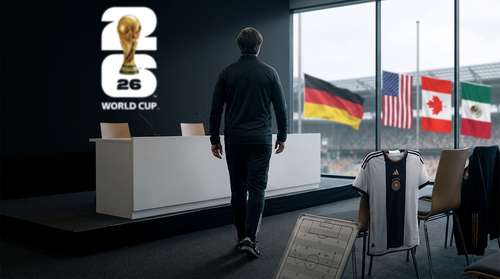
The shockwaves from another premature tournament departure are reverberating through European football. Following a devastating penalty-shootout defeat to Paraguay in the Round of 32, Julian Nagelsmann resigns Germany head coach duties, bringing a sudden end to his tenure. The German Football Association (DFB) officially accepted his resignation on July 3, 2026, cutting his contract short by two years in the wake of the stunning Germany World Cup exit 2026. Now, the focus shifts to a massive structural overhaul, with former Liverpool mastermind Jürgen Klopp emerging as the overwhelming favorite to take the reins for the four-time world champions.
The Anatomy of the Germany World Cup Exit 2026
Entering the newly expanded 48-team tournament across North America, expectations for Die Mannschaft were cautiously optimistic. The group stages showed flashes of brilliance, but the campaign rapidly unraveled during the first knockout hurdle. The match against a fiercely resilient Paraguayan side exposed lingering tactical vulnerabilities that have haunted the squad for years.
After a grueling 120 minutes played under the intense North American summer heat ended in a scoreless deadlock, the ensuing penalty shootout resulted in absolute heartbreak. Paraguay converted their chances with clinical precision, while German takers faltered under the immense pressure. This early departure mirrors the dark days of 2018 and 2022, signaling that deep-rooted systemic issues remain unresolved despite recent tactical adjustments.
The failure to advance past the Round of 32—the very first knockout stage of this expanded format—has forced an immediate reckoning. Fans and pundits alike are questioning how a nation with such a rich footballing pedigree continues to struggle when the stakes are highest.
DFB Julian Nagelsmann Split: A Contract Cut Short
When the DFB Julian Nagelsmann partnership was officially extended prior to the tournament, the mutual vision was firmly set on a long-term project spanning until Euro 2028. Instead, the highly-rated tactician chose to step down just 24 hours after the defeat. In a brief but poignant statement issued on Wednesday morning, Nagelsmann took full responsibility for the squad's inability to execute on the grandest international stage.
His sudden departure highlights the immense pressure cooker that is international football management. Despite engineering moments of tactical brilliance and a strong qualifying run, the inability to consistently break down a low-block defense—a recurring nightmare for German squads over the past decade—ultimately sealed his fate. The DFB's swift acceptance of his resignation gives the federation crucial time to pivot and strategize before the upcoming UEFA Nations League fixtures commence this autumn.
Jurgen Klopp Germany Manager: The Top Target
As World Cup 2026 manager news dominates global sports media, one name stands above all others on the federation's shortlist: Jürgen Klopp. Having enjoyed a well-deserved, lengthy sabbatical following his emotional departure from Liverpool in May 2024, the 59-year-old manager is reportedly in active, high-level discussions with DFB executives.
Making Jurgen Klopp Germany manager has been a long-held fantasy for supporters across the country. His trademark Heavy Metal Football and unparalleled man-management skills are widely viewed as the perfect antidote to the current squad's apparent lethargy and lack of identity. Sources close to the negotiations suggest Klopp is highly open to the challenge, provided he is granted comprehensive control over the sporting direction, backroom staff appointments, and youth integration pathways.
Bringing Klopp on board would represent a monumental coup for the DFB. His proven track record of reviving sleeping giants and instilling a fierce, winning mentality aligns perfectly with exactly what the national team requires at this critical juncture.
Navigating the Massive Germany National Team Rebuild
Whoever inherits the dugout at Frankfurt headquarters faces a monumental task. A comprehensive Germany national team rebuild is no longer just a tactical buzzword; it is an absolute necessity for survival at the elite level. The old guard of veterans who carried the torch over the last decade are expected to step aside, paving the way for a younger, hungrier generation of talent currently waiting in the wings.
Key Areas for Immediate Improvement
- Solving the Striker Dilemma: Germany desperately needs to develop and trust a reliable, out-and-out number nine capable of finishing scrappy half-chances in tight tournament matches.
- Fixing Defensive Transitions: The match against Paraguay highlighted a severe susceptibility to rapid counter-attacks. A high-pressing system requires flawless defensive transitions, something Klopp's tactical frameworks could theoretically resolve.
- Restoring Mental Fortitude: Re-establishing the legendary tournament team mentality—characterized by resilience and ruthlessness—that once defined German football is paramount for future success.
The next few weeks will be highly critical for the DFB hierarchy. Securing a manager of Klopp's elite caliber would instantly inject much-needed optimism into a deeply fractured and disillusioned fanbase. As the dust settles on this historic and challenging North American tournament, German football finds itself at a pivotal crossroads, desperate for a visionary leader to guide them out of the international wilderness and back to the pinnacle of world football.